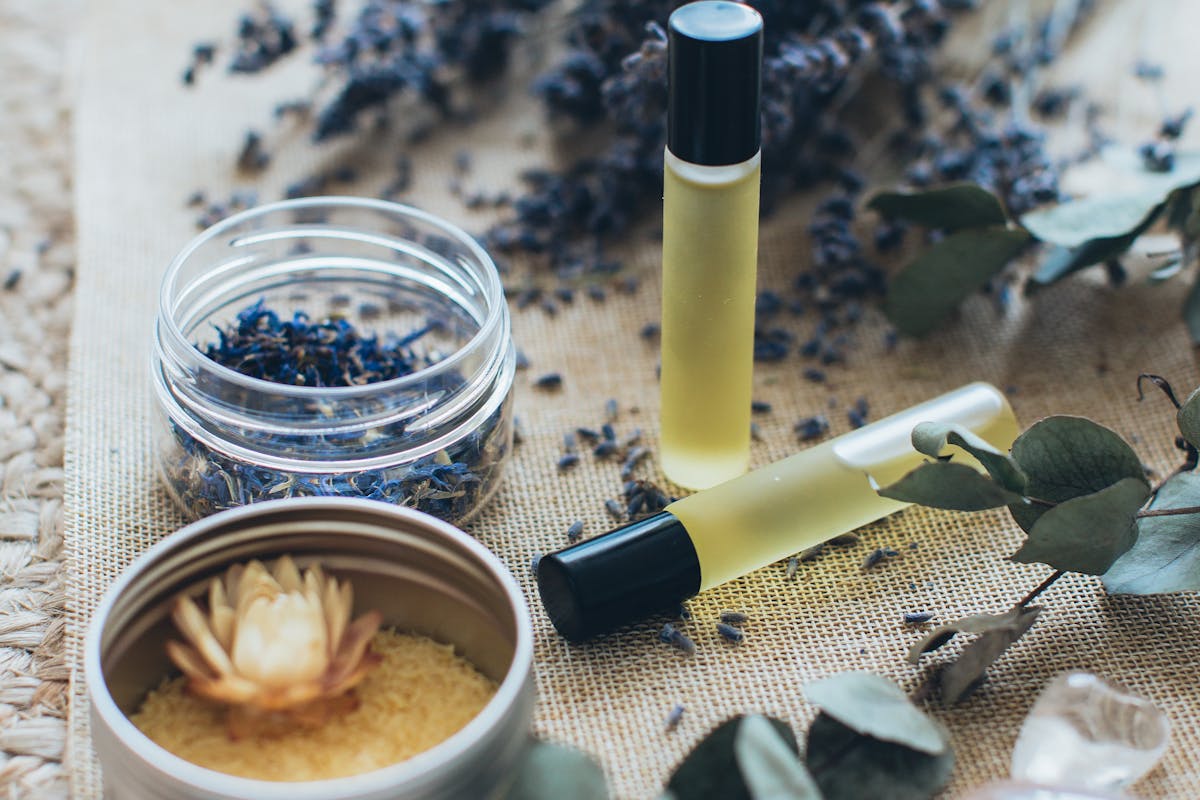
Essential Oils for Muscle Pain: Natural Relief for Sore, Aching Muscles
Understanding Muscle Pain and How Essential Oils Help
Whether it is the aftermath of an intense workout, the dull ache from sitting at a desk all day, or the stiffness that comes with age and changing weather, muscle pain is something nearly everyone experiences regularly. In India, where manual labour, long commutes, and increasingly sedentary office culture coexist, muscle soreness is one of the most common health complaints. The conventional response — popping an ibuprofen or applying a chemical-laden pain balm — works but carries risks with long-term use, from gastric irritation to skin sensitisation.
Essential oils offer a natural alternative that addresses muscle pain through multiple mechanisms. Their active compounds can reduce inflammation, improve local blood circulation, block pain signals, and relax muscle spasms. When applied topically in a carrier oil and massaged into the affected area, essential oils penetrate the skin and reach the underlying muscle tissue, providing targeted relief without systemic side effects. The massage itself further enhances the therapeutic effect by increasing blood flow and releasing tension.
Top Essential Oils for Sore Muscles
Peppermint Oil — The Natural Pain Blocker
Peppermint oil is one of the fastest-acting essential oils for muscle pain. Menthol, its primary compound (35-45%), activates the TRPM8 cold receptors in the skin, producing an immediate cooling sensation that overrides pain signals — a mechanism known as counter-irritation. Beyond this sensory effect, menthol is a genuine analgesic. A clinical study published in the International Journal of Sports Physical Therapy found that topical menthol application significantly reduced muscle soreness after exercise.
For immediate muscle pain relief, dilute 4-5 drops of peppermint oil in a tablespoon of jojoba oil or sweet almond oil and massage into the sore area. The cooling sensation begins within seconds and can last 30-60 minutes. Peppermint oil is particularly effective for tension headaches caused by neck and shoulder muscle tightness — apply the diluted blend to the base of the skull and along the trapezius muscles.
Eucalyptus Oil — Deep-Penetrating Anti-Inflammatory
Eucalyptus oil contains 1,8-cineole, which has been shown to reduce inflammation by inhibiting pro-inflammatory cytokines and prostaglandin production. This makes it effective not just for masking pain but for addressing the underlying inflammation that causes it. A study in the Journal of Ethnopharmacology demonstrated that eucalyptol exhibits significant anti-inflammatory and analgesic activity comparable to some pharmaceutical drugs in animal models.
Eucalyptus oil also has a warming quality that improves blood circulation to the application site, helping flush out the lactic acid and metabolic waste products that contribute to post-exercise soreness. Combine 3-4 drops of eucalyptus oil with 2 drops of peppermint oil in a tablespoon of coconut oil for a hot-and-cold effect that is remarkably soothing for aching muscles.
Ginger Oil — Warming Circulation Booster
Ginger oil is rich in gingerols and zingiberene — the same compounds that give fresh ginger its anti-inflammatory reputation. When applied topically, ginger oil creates a deep, penetrating warmth that increases blood flow to stiff, aching muscles. A study in the Journal of Pain found that daily ginger supplementation reduced exercise-induced muscle pain by 25%. Topical application of ginger essential oil delivers these compounds directly to the affected tissue.
Ginger oil is especially effective for chronic muscle stiffness and pain related to cold weather — making it ideal during the Indian winter when joint and muscle complaints surge. Dilute 3-4 drops in a tablespoon of sesame oil (which itself has warming properties in Ayurvedic tradition) and massage into stiff shoulders, lower back, or aching legs. The warming sensation deepens over 10-15 minutes.
Lavender Oil — The Muscle Relaxant
Lavender oil is far more than a sleep aid — it is a clinically recognised analgesic and muscle relaxant. Linalool and linalyl acetate, its primary compounds, have been shown to reduce muscle spasms and modulate pain perception in the central nervous system. A randomised controlled trial published in Evidence-Based Complementary and Alternative Medicine found that massage with lavender oil significantly reduced the intensity of lower back pain compared to massage alone.
Lavender oil is the ideal choice for muscle pain that is accompanied by stress or tension — which is most muscle pain, frankly. Use 4-5 drops in a tablespoon of sweet almond oil for a relaxing full-body massage, or add 8-10 drops to a warm bath for whole-body muscle relief. Lavender is gentle enough for daily use and blends beautifully with all the other oils in this list.
Frankincense Oil — The Deep Anti-Inflammatory
Frankincense oil contains boswellic acids that are among the most potent natural anti-inflammatory compounds known. These acids inhibit 5-lipoxygenase, an enzyme involved in the inflammatory cascade that causes muscle pain and swelling. Frankincense has a long history in Ayurveda for treating joint and muscle complaints, and modern research supports this traditional use.
Frankincense works best as a supporting oil in a blend rather than a standalone treatment. Add 2-3 drops to any of the massage blends in this article for enhanced anti-inflammatory support. It is particularly valuable for chronic pain conditions where ongoing inflammation is a factor. Its warm, resinous aroma also promotes a meditative state that helps with the mental component of pain management.
Lemongrass Oil — The Cramp Reliever
Lemongrass oil contains citral, a compound with both analgesic and anti-spasmodic properties. It is particularly effective for muscle cramps — those sudden, involuntary contractions that can strike during exercise, sleep, or periods of dehydration. A study published in the Journal of Advanced Pharmaceutical Technology & Research confirmed that lemongrass essential oil exhibits significant analgesic activity.
For leg cramps, dilute 3 drops of lemongrass oil in a tablespoon of coconut oil and massage deeply into the calf or thigh muscle. The oil also has a stimulating, energising scent that helps combat the fatigue that often accompanies chronic muscle pain. Lemongrass blends well with ginger and eucalyptus for a warming, invigorating muscle rub.
How to Use Essential Oils for Muscle Pain
Massage (Most Effective)
Massage is the most effective delivery method for muscle pain because it combines the pharmacological effects of the essential oils with the physical benefits of tissue manipulation. Always dilute essential oils in a carrier oil at a 2-3% concentration — that is approximately 10-15 drops of essential oil per 30 ml (2 tablespoons) of carrier oil. Jojoba oil, sweet almond oil, and coconut oil are all excellent carriers for muscle massage. Apply firm, slow strokes along the length of the muscle, working from the extremity toward the heart to promote venous return.
Warm Bath Soak
Add 10-12 drops of essential oil to a tablespoon of carrier oil or a cup of Epsom salt, then add to a warm (not hot) bath. Soak for 20-30 minutes. The warm water relaxes muscles while the essential oils absorb through the skin and the Epsom salt provides magnesium, a natural muscle relaxant. This method is ideal for full-body soreness after intense physical activity.
Warm Compress
For localised muscle pain, soak a cloth in warm water with 4-5 drops of essential oil, wring out the excess, and apply to the affected area for 15-20 minutes. Cover with a dry towel to retain heat. This method delivers moist heat and essential oils simultaneously, and is particularly effective for neck and shoulder tension.
Muscle Pain Relief Blend Recipes
Post-Workout Recovery Blend
- 4 drops peppermint oil
- 3 drops eucalyptus oil
- 3 drops lavender oil
- 30 ml sweet almond oil
Massage into sore muscles within 30 minutes of exercise. The peppermint provides immediate cooling relief, eucalyptus reduces inflammation, and lavender promotes recovery. This is a balanced hot-cold blend that works on both immediate pain and recovery.
Deep Warming Rub (for chronic pain and stiffness)
- 3 drops ginger oil
- 3 drops eucalyptus oil
- 2 drops frankincense oil
- 2 drops lemongrass oil
- 30 ml sesame oil or coconut oil
This warming blend is ideal for chronic lower back pain, arthritic stiffness, and cold-weather muscle aches. Apply and massage in firmly, then cover the area with a warm cloth or heating pad for enhanced penetration. The ginger and eucalyptus provide deep warmth, while frankincense and lemongrass tackle inflammation and spasms.
Safety Precautions
Important: Always dilute essential oils before topical application — a 2-3% dilution is standard for adults (approximately 12 drops per 30 ml of carrier oil). Never apply essential oils to broken skin, open wounds, or freshly shaved areas. Peppermint and eucalyptus oils create intense sensations and should be kept away from the eyes, inner ears, and mucous membranes. If you are taking blood-thinning medications, consult your doctor before using ginger or frankincense oil topically, as they may enhance anticoagulant effects. Warming oils like ginger and cinnamon can cause skin irritation in sensitive individuals — always do a patch test first. If muscle pain is severe, sudden, or accompanied by swelling and bruising, seek medical attention to rule out a muscle tear or other injury.
Frequently Asked Questions
Which essential oil is best for sore muscles after exercise?
How do you dilute essential oils for muscle massage?
Can essential oils help with lower back pain?
Are essential oils better than pain balms for muscle pain?
Can I add essential oils to a hot bath for muscle pain?
Stay Updated
Get the latest essential oil guides, DIY recipes, and wellness tips delivered to your inbox.
No spam. Unsubscribe anytime.