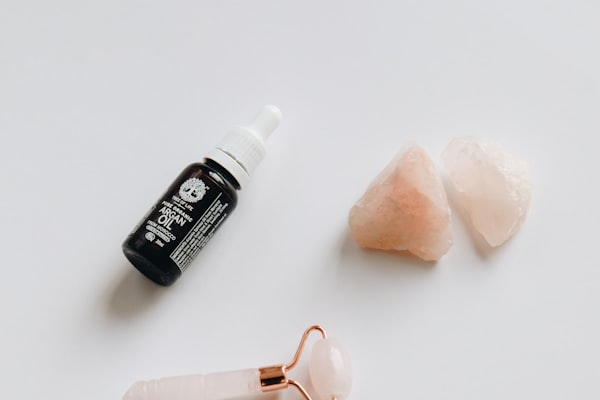
Argan Oil
Argan oil (Argania spinosa) is a luxurious carrier oil cold-pressed from the kernels of the argan tree, which grows exclusively in Morocco. Often called "liquid gold," it has been used by Berber women for centuries for skin, hair, and nail care. Its exceptional balance of fatty acids, vitamin E, and unique compounds called squalene and ferulic acid make it one of the most prized carrier oils in modern aromatherapy and cosmetics.
Benefits
Exceptional Antioxidant Content
Argan oil is remarkably rich in antioxidants, containing approximately twice the vitamin E content of olive oil. A study published in the European Journal of Lipid Science and Technology confirmed that argan oil contains high concentrations of tocopherols (vitamin E), polyphenols, and ferulic acid — all of which help protect the skin from oxidative damage caused by UV exposure, pollution, and ageing.
This potent antioxidant profile makes argan oil an excellent carrier for anti-ageing essential oil blends, as it provides its own protective benefits alongside those of the essential oils it carries.
Anti-Ageing & Skin Elasticity
A clinical study published in Clinical Interventions in Aging found that daily application of argan oil significantly improved skin elasticity in postmenopausal women. The combination of vitamin E, squalene, and essential fatty acids (oleic and linoleic acid) may help support collagen production, improve skin firmness, and reduce the appearance of fine lines and wrinkles.
Non-Comedogenic — Ideal for All Skin Types
Comedogenic rating: 0 (out of 5) — non-comedogenic. Argan oil has the lowest possible comedogenic rating, meaning it is extremely unlikely to clog pores. This makes it one of the safest carrier oils for facial use, including for people with oily, acne-prone, or sensitive skin. Its linoleic acid content may actually help regulate sebum production and reduce breakouts.
Hair Repair & Shine
Argan oil is widely used in professional hair care for its ability to tame frizz, add shine, and repair damaged hair. Its high oleic acid content helps seal moisture into the hair shaft, whilst its lightweight texture means it does not weigh hair down or leave it greasy. Research in the Journal of Cosmetic Science has documented its effectiveness in improving hair manageability and reducing damage from heat styling.
Anti-Inflammatory Properties
Research has demonstrated that the polyphenols and tocopherols in argan oil possess anti-inflammatory properties. A study published in Evidence-Based Complementary and Alternative Medicine found that argan oil application helped reduce inflammation markers in skin tissue. This makes it a supportive carrier oil for essential oil blends designed to soothe conditions such as eczema, psoriasis, and rosacea.
Uses
Carrier Oil for Facial Essential Oil Serums
Absorption rate: fast to medium. Argan oil absorbs quickly and leaves a dry, non-greasy finish, making it ideal for facial serums. Combine 30 ml of argan oil with 3 drops of frankincense, 2 drops of rose, and 2 drops of lavender essential oil for a luxurious anti-ageing facial serum. Apply 3-4 drops to clean, slightly damp skin morning and evening.
Hair & Scalp Treatment
Warm a few drops of argan oil between your palms and smooth through damp or dry hair, concentrating on the mid-lengths and ends. For a deeper treatment, add 3 drops of rosemary essential oil to a tablespoon of argan oil, massage into the scalp, and leave for 30 minutes before shampooing. Argan oil is light enough to use as a daily leave-in conditioner without weighing hair down.
Night-Time Facial Moisturiser
Apply 3-4 drops of argan oil to clean skin as a final step in your evening skin care routine. It absorbs quickly and works overnight to nourish and repair. For enhanced results, add 2 drops of lavender essential oil and 1 drop of neroli essential oil per 30 ml of argan oil. The combination promotes skin repair and provides a calming pre-sleep aroma.
Nail & Cuticle Strengthener
Massage a drop of argan oil into each nail and cuticle daily. The vitamin E and fatty acids help strengthen brittle nails and soften hardened cuticles. Add a drop of lemon or myrrh essential oil per tablespoon for additional nail-strengthening properties. Consistent use over several weeks typically produces noticeable improvement.
Soothing Skin Blend for Eczema or Irritation
Combine 30 ml of argan oil with 3 drops of chamomile essential oil and 3 drops of lavender essential oil. Apply gently to areas of dry, irritated, or eczema-prone skin. Argan oil's anti-inflammatory properties work synergistically with the calming essential oils to help soothe discomfort and reduce redness.
Beard Oil
Argan oil is one of the most popular base oils for beard care. Combine 30 ml of argan oil with 5 drops of cedarwood essential oil and 3 drops of sandalwood essential oil. Apply 3-5 drops to a freshly washed beard, working through with your fingers or a beard comb. The oil softens beard hair, reduces itching, and moisturises the skin beneath.
Safety & Side Effects
Allergy Information
Argan oil allergies are rare but can occur, particularly in people with existing sensitivities to tree nuts or related botanical products. Although the argan tree is not closely related to common tree nut species, cross-reactivity is theoretically possible. Perform a patch test on the inside of your forearm and wait 24 hours before applying to the face or larger areas.
Quality & Adulteration
Beware of adulterated or fake argan oil. Due to its high value, argan oil is frequently diluted with cheaper oils or sold in impure forms. Genuine cosmetic-grade argan oil should have a light golden colour, a faint nutty scent (not strongly perfumed), and absorb quickly without leaving a greasy residue. Purchase from reputable suppliers who can provide certificates of purity. Look for organic and cold-pressed certifications.
Shelf Life & Storage
Shelf life: approximately 1-2 years. Store argan oil in a tightly sealed dark glass bottle in a cool, dark place. Heat, light, and air exposure accelerate oxidation. Refrigeration can extend the shelf life. Discard if the oil develops a rancid, unpleasant smell or a cloudy appearance. The relatively short shelf life compared to jojoba oil means it is best purchased in smaller quantities.
Culinary vs. Cosmetic Grade
Argan oil is available in both culinary and cosmetic grades. Culinary argan oil is made from roasted kernels and has a darker colour and stronger nutty flavour. Cosmetic-grade argan oil is cold-pressed from raw kernels and has a lighter colour and milder scent. Always use cosmetic-grade argan oil for skin care and aromatherapy — culinary argan oil may contain compounds that are unsuitable for topical application.
Stay Updated
Get the latest essential oil guides, DIY recipes, and wellness tips delivered to your inbox.
No spam. Unsubscribe anytime.