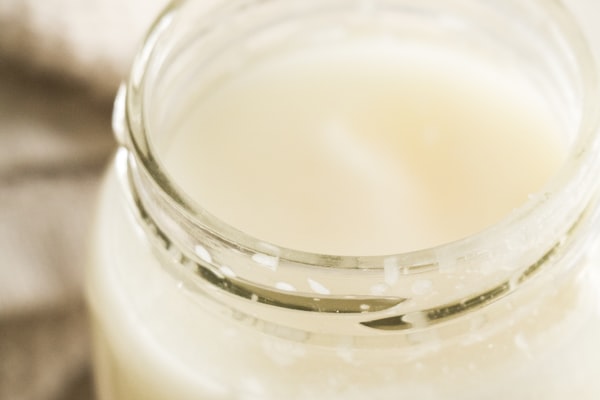
Coconut Oil
Coconut oil (Cocos nucifera) is one of the most versatile and widely used carrier oils in aromatherapy, extracted from the meat of mature coconuts. Sourced primarily from the Philippines, India, Indonesia, and Sri Lanka, it is available in both refined and virgin (unrefined) forms and is prized for its moisturising properties, pleasant tropical scent, and excellent compatibility with essential oils.
Benefits
Deep Skin Moisturisation
Coconut oil is an exceptionally effective emollient, thanks to its high concentration of medium-chain fatty acids, particularly lauric acid (approximately 49%), myristic acid, and capric acid. A randomised, double-blind clinical trial published in Dermatitis found that virgin coconut oil was as effective as mineral oil for treating xerosis (dry skin), significantly improving skin hydration and lipid levels on the skin surface.
When used as a carrier oil for essential oils, coconut oil forms a protective barrier on the skin that locks in moisture whilst allowing the therapeutic compounds to absorb gradually. This makes it particularly suitable for dry, rough, or flaking skin conditions.
Antimicrobial Properties
Lauric acid, the dominant fatty acid in coconut oil, is converted by the body into monolaurin, a compound with demonstrated antimicrobial activity. Research published in the Journal of Medicinal Food found that virgin coconut oil exhibited antibacterial activity against Staphylococcus aureus, including methicillin-resistant strains (MRSA). This makes coconut oil a practical carrier choice for antimicrobial essential oils such as tea tree and eucalyptus.
Hair Strengthening & Conditioning
A study published in the Journal of Cosmetic Science demonstrated that coconut oil was the only oil tested (compared with sunflower and mineral oil) that significantly reduced protein loss in both damaged and undamaged hair. Its low molecular weight and straight-chain structure allow it to penetrate the hair shaft, providing deep conditioning from within rather than merely coating the surface.
When combined with essential oils such as rosemary or lavender, coconut oil makes an excellent pre-wash hair treatment that may support hair health and manageability.
Anti-Inflammatory Support
Research in the International Immunopharmacology journal found that virgin coconut oil demonstrated anti-inflammatory and analgesic properties in animal models. When applied topically, it may help soothe irritated skin and reduce redness. Combined with anti-inflammatory essential oils like lavender or chamomile, it can form part of a calming skin care routine.
Wound Healing Support
Animal studies published in Skin Pharmacology and Physiology suggest that virgin coconut oil may accelerate wound healing by increasing collagen cross-linking and antioxidant enzyme activity at the wound site. Whilst human clinical trials are still limited, traditional use across Southeast Asia has long relied on coconut oil for minor cuts, abrasions, and burns.
Uses
Carrier Oil for Essential Oil Dilution
Absorption rate: slow to medium. Coconut oil is an excellent carrier for essential oils, particularly for massage blends where a longer glide time is desired. Use virgin coconut oil for a pleasant scent, or fractionated (liquid) coconut oil for a lightweight, odourless option that remains liquid at all temperatures. Standard dilution: 2-3% essential oil (12-18 drops per 30 ml of coconut oil).
Full-Body Massage Oil
Coconut oil's smooth texture and slow absorption rate make it ideal for massage. Warm a tablespoon between your palms until it melts, then add 3-5 drops of your chosen essential oil. The oil provides excellent slip for long, flowing massage strokes without needing frequent reapplication. Lavender and coconut make a particularly relaxing combination.
Hair Mask & Scalp Treatment
Warm 2-3 tablespoons of virgin coconut oil and add 5-8 drops of rosemary or peppermint essential oil. Massage into the scalp and work through the lengths of the hair. Cover with a shower cap and leave for at least 30 minutes (or overnight for deep conditioning). Shampoo out thoroughly — two washes may be needed.
Body Moisturiser
Apply a small amount of coconut oil to damp skin immediately after bathing to seal in moisture. For an aromatic experience, pre-mix your favourite essential oils into a jar of coconut oil. A blend of 15 drops of lavender and 10 drops of geranium per 100 ml of coconut oil creates a lovely, lightly scented daily body moisturiser.
Lip Balm Base
Coconut oil makes an excellent base for DIY lip balms. Combine equal parts coconut oil and beeswax, melt gently, and add 2-3 drops of peppermint or sweet orange essential oil per 15 ml of the mixture. Pour into small tins or tubes and allow to set. The result is a nourishing, lightly scented lip balm.
Cooking & Internal Use
Unlike most carrier oils used in aromatherapy, coconut oil is widely used in cooking. Virgin coconut oil has a smoke point of approximately 177 degrees Celsius and adds a mild coconut flavour to dishes. Note that essential oils should never be added to cooking oil — this use refers to the carrier oil alone.
Safety & Side Effects
Comedogenic Rating & Skin Type Suitability
Comedogenic rating: 4 (out of 5) — moderately high. Virgin coconut oil is considered fairly comedogenic, meaning it has a relatively high likelihood of clogging pores. People with oily, acne-prone, or combination skin should avoid applying it to the face. For facial use with essential oils, consider switching to a low-comedogenic carrier such as jojoba oil (rating 2) or argan oil (rating 0).
Fractionated coconut oil has a lower comedogenic rating (approximately 2-3) and is generally better tolerated on facial skin, as the longer-chain fatty acids that tend to clog pores have been removed.
Allergy Considerations
True coconut allergy is relatively uncommon but does exist. Coconut is classified as a tree nut by some regulatory bodies (including the US FDA), though botanically it is a drupe (fruit). People with known tree nut allergies should consult their allergist before using coconut oil topically. Perform a patch test on a small area of skin and wait 24 hours before broader application.
Shelf Life & Storage
Shelf life: approximately 2 years (virgin) or 2-3 years (refined/fractionated). Store coconut oil in a cool, dark place in a tightly sealed container. Virgin coconut oil solidifies below approximately 24 degrees Celsius — this is normal and does not indicate spoilage. Fractionated coconut oil remains liquid at all temperatures. Discard if the oil develops an off smell or yellowish colour.
Temperature Sensitivity
Virgin coconut oil transitions between solid and liquid states around 24 degrees Celsius. In cooler climates, you may need to warm the jar in a bowl of warm water before use. Avoid microwaving, as this can create hot spots and degrade some of the beneficial compounds. For consistent year-round liquidity, use fractionated coconut oil instead.
Stay Updated
Get the latest essential oil guides, DIY recipes, and wellness tips delivered to your inbox.
No spam. Unsubscribe anytime.