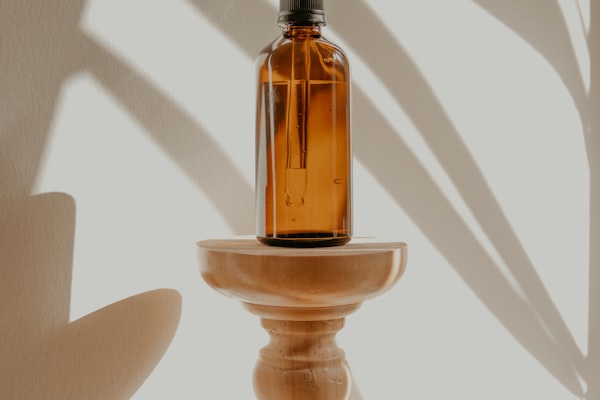
Jojoba Oil
Jojoba oil (Simmondsia chinensis) is technically a liquid wax ester rather than a true oil, extracted from the seeds of the jojoba shrub native to the arid regions of the southwestern United States and Mexico. Produced primarily in Arizona (USA), Mexico, Argentina, and Israel, it is one of the most popular carrier oils in aromatherapy due to its remarkable similarity to human sebum and its exceptionally long shelf life.
Benefits
Sebum-Mimicking Properties
Jojoba oil is unique among carrier oils because its molecular structure closely resembles human sebum — the natural oil produced by our skin's sebaceous glands. This structural similarity means the skin readily accepts jojoba oil without triggering excess oil production or clogging pores. Research published in the International Journal of Cosmetic Science confirmed that jojoba oil helps regulate sebum production, making it suitable for both oily and dry skin types.
This sebum-mimicking quality makes jojoba oil an outstanding carrier for essential oils intended for facial application, as it delivers active compounds without disrupting the skin's natural oil balance.
Non-Comedogenic & Suitable for All Skin Types
Comedogenic rating: 2 (out of 5) — low. Despite being a waxy substance, jojoba oil is remarkably non-comedogenic. Its molecular structure is too large to clog most pores, and it actually helps dissolve sebum plugs rather than contributing to them. This makes it one of the few carrier oils that dermatologists frequently recommend for acne-prone skin.
Anti-Inflammatory & Healing Properties
Jojoba oil contains natural forms of vitamin E (tocopherols) and myristic acid, both of which possess anti-inflammatory properties. A study in the journal Pharmacological Research found that jojoba oil exhibited anti-inflammatory activity when applied topically. It may help calm irritated skin, reduce redness, and support the healing of minor skin conditions such as eczema and rosacea.
Antioxidant Protection
Jojoba oil is naturally rich in vitamin E, a potent antioxidant that helps protect the skin from oxidative stress caused by environmental factors such as UV radiation and pollution. These antioxidant properties also contribute to jojoba oil's exceptional shelf stability — it resists rancidity far longer than most plant-based oils.
Hair & Scalp Health
Because jojoba oil mimics sebum, it can help balance oil production on the scalp. For oily scalps, it may help signal the sebaceous glands to reduce excess oil production. For dry scalps, it provides gentle moisture without heaviness. When used as a carrier for essential oils such as rosemary or cedarwood, it creates an effective scalp treatment that is easy to wash out and leaves hair soft rather than greasy.
Uses
Carrier Oil for Facial Essential Oil Blends
Absorption rate: medium. Jojoba oil is widely considered the gold standard carrier oil for facial blends. Its light texture absorbs well without leaving a heavy, greasy residue. For an anti-ageing facial serum, combine 30 ml of jojoba oil with 3 drops of frankincense, 2 drops of lavender, and 1 drop of rose essential oil. Apply 3-4 drops to clean skin morning and evening.
Oil Cleansing Method
Jojoba oil excels in the oil cleansing method, which uses oil to dissolve excess sebum, make-up, and impurities. Massage a small amount into dry skin for 1-2 minutes, then place a warm, damp flannel over your face for 30 seconds to open pores. Gently wipe away. This method works for all skin types and helps maintain the skin's natural moisture barrier.
Scalp & Hair Treatment
Warm a tablespoon of jojoba oil and add 3-5 drops of rosemary or tea tree essential oil. Massage into the scalp using your fingertips for 3-5 minutes to stimulate circulation. Leave on for 20-30 minutes before shampooing. Unlike heavier oils such as coconut, jojoba washes out easily in a single shampoo and does not weigh hair down.
Massage Oil Base
Jojoba oil provides a smooth, medium-weight glide that is excellent for massage. It absorbs at a moderate rate, giving therapists enough working time without leaving the skin overly slick. Blend with essential oils at a 2-3% dilution for a customised aromatherapy massage experience. Popular combinations include jojoba with lavender and chamomile for relaxation.
Cuticle & Nail Oil
Apply a drop of jojoba oil to each cuticle and massage gently. Its moisturising properties help soften cuticles and strengthen nails. Add a drop of lemon essential oil per tablespoon of jojoba for a lightly scented nail treatment that also helps brighten yellowed nails.
Make-Up Remover
Jojoba oil is an effective and gentle make-up remover, even for waterproof formulas. Apply a small amount to a cotton pad and sweep across the face, including the eye area. The oil dissolves make-up without stripping the skin's natural moisture. Follow with your usual cleanser if desired.
Safety & Side Effects
Allergy Information
Jojoba oil allergies are extremely rare, making it one of the safest carrier oils available. It is suitable for sensitive skin and is frequently used in hypoallergenic skin care formulations. However, as with any new topical product, perform a patch test on the inside of your forearm and wait 24 hours before applying to larger areas or the face.
Comedogenic Rating & Facial Use
Comedogenic rating: 2 (out of 5) — low. Jojoba oil is one of the least pore-clogging carrier oils available and is generally safe for use on acne-prone and oily skin. Its ability to mimic sebum means it is less likely to trigger breakouts than many other oils. It is widely recommended by dermatologists and aestheticians for facial use.
Shelf Life & Storage
Shelf life: 3-5 years (exceptionally long). Because jojoba is a wax ester rather than a triglyceride oil, it is highly resistant to oxidation and rancidity. Store in a cool, dark place in a sealed container. Jojoba oil does not require refrigeration and maintains its quality far longer than most other carrier oils, making it an economical choice despite its higher initial cost.
Internal Use
Jojoba oil should not be ingested. Unlike some carrier oils that are also used in cooking, jojoba oil contains erucic acid and is not suitable for internal consumption. It is intended for external, topical use only. Keep out of reach of children and pets.
Stay Updated
Get the latest essential oil guides, DIY recipes, and wellness tips delivered to your inbox.
No spam. Unsubscribe anytime.