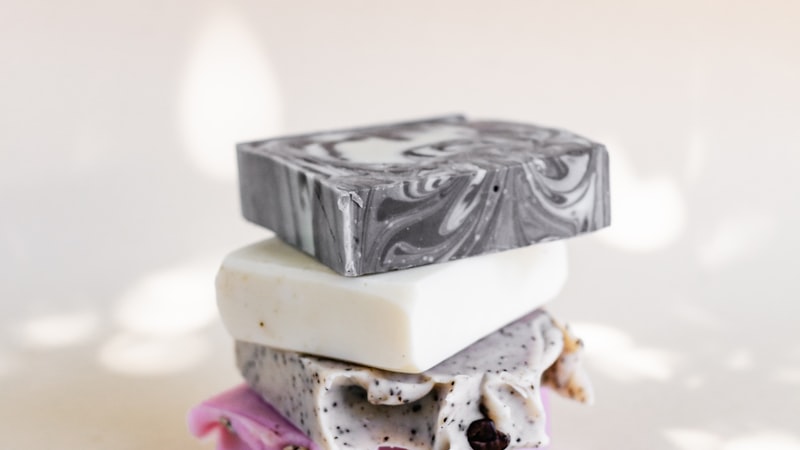
Homemade Natural Soaps with Essential Oils
Melt-and-Pour vs Cold Process Soap Making
There are two main approaches to making soap at home: melt-and-pour and cold process. Both produce excellent results, but they differ significantly in complexity, safety requirements, and the time needed.
Melt-and-Pour Soap
Melt-and-pour soap making uses a pre-made soap base that you simply melt, customise with essential oils, colours, and additives, then pour into moulds. The soap is ready to use within hours. This method is ideal for beginners because it requires no handling of lye (sodium hydroxide), involves minimal equipment, and produces beautiful, consistent results from the very first attempt.
Advantages: No lye handling, quick results (usable within 4–6 hours), predictable outcomes, excellent for creative designs and gifts, safe to make with older children under supervision.
Cold Process Soap
Cold process soap making involves combining oils and fats with lye (sodium hydroxide dissolved in water) to create soap through saponification. This method gives complete control over every ingredient but requires careful handling of caustic lye, accurate measurements, and a 4–6 week curing period. It is best suited to experienced crafters.
Advantages: Total ingredient control, unique swirl designs, longer-lasting bars, full customisation of oil profiles. Disadvantages: Requires lye (caustic), needs safety equipment (goggles, gloves), 4–6 week cure time.
This guide focuses on melt-and-pour soap making, which is the most accessible method for beginners and produces wonderful results with essential oils.
Getting Started: Equipment and Supplies
Equipment:
- Microwave-safe jug or double boiler
- Silicone soap moulds (individual cavity or loaf style)
- Digital kitchen scale
- Stirring spatula (silicone or wooden)
- Rubbing alcohol in a spray bottle (to remove surface bubbles)
- Knife or soap cutter
Soap base options:
- Clear glycerin base — transparent, shows colours and inclusions beautifully.
- White (opaque) base — produces classic white soap, takes colour well.
- Shea butter base — extra moisturising, creamy texture.
- Goat's milk base — gentle, excellent for sensitive skin.
- Olive oil (Castile) base — mild, suitable for facial bars.
Essential Oil Usage Rates in Soap
Adding too much essential oil to soap can cause skin irritation, while too little will produce a bar with barely any scent. The recommended usage rate for essential oils in melt-and-pour soap is:
- General guideline: 1–2% of the total soap weight.
- Practical measure: approximately 7–10 ml (about 140–200 drops) of essential oil per 500 g (1 lb) of soap base.
- For individual moulds: approximately 10–15 drops per 100 g bar.
Important: Some essential oils have specific maximum usage rates recommended by the International Fragrance Association (IFRA). Cinnamon bark oil, for example, should be used at no more than 0.5% in leave-on products. The recipes in this guide adhere to established safe usage levels.
Add essential oils when the melted soap base has cooled to approximately 55–60 degrees Celsius. Adding oils to very hot soap base causes the fragrance to evaporate and reduces the therapeutic benefit of the oils.
Recipe 1: Tea Tree Acne Bar
A clarifying soap bar designed for oily and acne-prone skin. Tea tree oil is one of the most well-researched natural remedies for acne, and this simple soap allows you to benefit from its antibacterial properties in your daily cleansing routine.
Ingredients (makes 4 bars):
- 500 g (1 lb) clear glycerin soap base
- 40 drops tea tree essential oil
- 15 drops lavender essential oil (soothing, anti-inflammatory)
- 1 tablespoon activated charcoal powder (optional, for detoxifying)
- 1 teaspoon jojoba oil (moisturising balance)
Instructions:
- Cut the soap base into small cubes (approximately 2 cm) for even melting.
- Melt in a microwave (30-second bursts, stirring between each) or using a double boiler.
- Once fully melted, allow to cool to approximately 55–60 degrees Celsius.
- Stir in the jojoba oil.
- If using activated charcoal, add it now and stir thoroughly to distribute evenly.
- Add the essential oils and stir gently for 30 seconds.
- Pour into moulds and spray the surface with rubbing alcohol to eliminate air bubbles.
- Allow to set for 4–6 hours at room temperature.
- Unmould and use immediately, or wrap in cling film for storage.
Usage: Lather between wet hands and apply to the face and body. Rinse thoroughly. Use twice daily for best results. Follow with a lightweight moisturiser.
Recipe 2: Lavender Oatmeal Soap
A gentle, exfoliating soap bar that combines the calming properties of lavender with the skin-soothing benefits of colloidal oatmeal. The oatmeal provides gentle physical exfoliation and forms a protective barrier on the skin, making this bar particularly suitable for dry or sensitive skin.
Ingredients (makes 4 bars):
- 500 g (1 lb) goat's milk or shea butter soap base
- 30 drops lavender essential oil
- 10 drops chamomile essential oil
- 3 tablespoons colloidal oatmeal (finely ground oats)
- 1 tablespoon honey (humectant, draws moisture to the skin)
- 1 teaspoon sweet almond oil
Instructions:
- Cut and melt the soap base as above.
- Allow to cool to approximately 55–60 degrees Celsius.
- Stir in the honey and sweet almond oil.
- Add the colloidal oatmeal and stir to distribute evenly. Work quickly, as oatmeal can cause the soap to set faster.
- Add the essential oils and stir gently.
- Pour into moulds and spray with rubbing alcohol.
- Allow to set for 4–6 hours.
Tip: For a more rustic appearance, sprinkle a few whole oat flakes on top of the soap before it fully sets. The lavender and oatmeal combination makes this bar an excellent gift.
Recipe 3: Eucalyptus Mint Wake-Up Bar
An invigorating shower bar designed to help you start the day with energy and clarity. The combination of eucalyptus and peppermint creates a spa-like, mentholated experience that may help clear the sinuses and sharpen focus. This is a particularly popular bar during cold and flu season.
Ingredients (makes 4 bars):
- 500 g (1 lb) clear or white soap base
- 25 drops eucalyptus essential oil
- 20 drops peppermint essential oil
- 5 drops rosemary essential oil
- 1 teaspoon coconut oil (fractionated)
- Green mica powder or spirulina for colour (optional)
Instructions:
- Cut and melt the soap base.
- Cool to 55–60 degrees Celsius.
- Stir in the coconut oil and colourant (if using).
- Add the essential oils and stir gently.
- Pour into moulds and spray with rubbing alcohol.
- Allow to set for 4–6 hours.
Safety: This bar contains peppermint and eucalyptus oils, which are not suitable for children under 10. The menthol may cause a tingling sensation — this is normal. Avoid contact with the eyes and sensitive areas.
Recipe 4: Moisturising Honey Soap
A luxuriously moisturising bar that harnesses the humectant properties of honey and the nourishing qualities of shea butter. The warm, comforting scent of vanilla and sweet orange makes this a universally appealing bar suitable for all skin types.
Ingredients (makes 4 bars):
- 500 g (1 lb) shea butter soap base
- 20 drops sweet orange essential oil
- 10 drops vanilla oleoresin (or vanilla-infused carrier oil)
- 5 drops cinnamon leaf essential oil (not bark — leaf is gentler)
- 2 tablespoons raw honey
- 1 teaspoon vitamin E oil
Instructions:
- Cut and melt the soap base.
- Cool to 55–60 degrees Celsius.
- Stir in the honey and vitamin E oil. Note: honey can cause the soap to darken slightly and may create a natural amber colour.
- Add the essential oils and stir gently.
- Pour into moulds and spray with rubbing alcohol.
- Allow to set for 4–6 hours.
Note: Use cinnamon leaf oil, not cinnamon bark oil. Cinnamon bark oil has a much lower maximum usage rate and is more likely to cause skin sensitisation. Even cinnamon leaf oil should be used sparingly — 5 drops per 500 g of soap base is a safe amount.
Curing and Storage
Melt-and-pour soaps do not require the lengthy curing period of cold process soaps. Once set (4–6 hours), they are ready to use. However, following these storage guidelines will ensure your bars last as long as possible:
- Wrap unused bars tightly in cling film or shrink wrap to prevent them from sweating (glycerin attracts moisture from the air).
- Store in a cool, dry place away from direct sunlight.
- Use a well-draining soap dish to prevent the bar from sitting in water, which causes it to soften and dissolve prematurely.
- Properly wrapped bars will retain their fragrance for 6–12 months.
- Label gift soaps with the full ingredient list, essential oils used, and the date of making.
Tips for Perfect Melt-and-Pour Soaps
- Cut the soap base into small, uniform cubes for even melting.
- Never boil the soap base. Overheating causes bubbles and an unpleasant rubbery texture.
- Spray with rubbing alcohol immediately after pouring to eliminate surface bubbles.
- Work quickly once essential oils are added — the soap begins to set rapidly as it cools.
- If layering colours, allow each layer to form a skin before pouring the next, and spray the surface with alcohol to help layers bond.
- Do not stir too vigorously, as this introduces air bubbles into the soap.
Safety Considerations
- Always add essential oils to the cooled (not hot) soap base to avoid burns from splashing and to preserve the oils' therapeutic properties.
- Wear gloves if you have sensitive skin, as some essential oils can cause irritation during handling.
- Do not exceed the recommended essential oil usage rates. More is not better — excessive essential oils can cause skin reactions.
- The eucalyptus mint bar is not suitable for children under 10.
- The lavender oatmeal and honey bars are generally suitable for children aged 2 and above.
- If you or a recipient has nut allergies, avoid soap bases and carrier oils derived from nuts (e.g., sweet almond oil, shea butter in rare cases).
- Keep all essential oils and finished soaps out of reach of children and pets.
Frequently Asked Questions
What is the difference between melt-and-pour and cold process soap?
How much essential oil should I add to soap?
Can I use fragrance oils instead of essential oils?
Why is my melt-and-pour soap sweating?
Are homemade soaps safe for sensitive skin?
How long do homemade melt-and-pour soaps last?
Can I add exfoliants to my soap?
Is it safe to make soap with children?
Stay Updated
Get the latest essential oil guides, DIY recipes, and wellness tips delivered to your inbox.
No spam. Unsubscribe anytime.