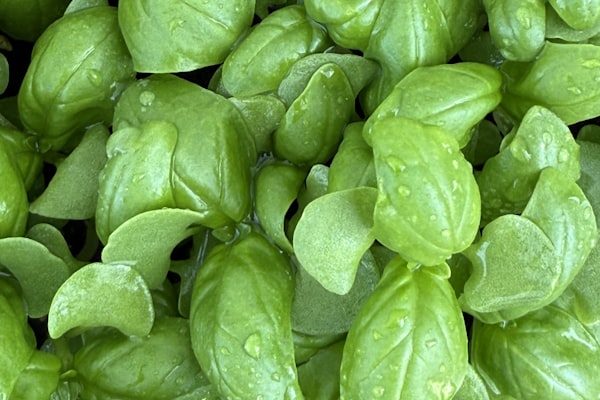
Basil Oil
Ocimum basilicum
Origin: India, Egypt, France, Thailand
Basil oil is a versatile essential oil steam-distilled from the fresh leaves and flowering tops of Ocimum basilicum, a plant deeply embedded in Indian Ayurvedic tradition. Known as Tulsi in its holy variant, basil has been used for thousands of years across Asia and the Mediterranean for its clarifying, uplifting, and therapeutic properties. The oil offers a fresh, herbaceous aroma with subtle sweet and spicy undertones that make it a favourite in aromatherapy and natural wellness.
Benefits
Mental Clarity and Cognitive Support
Basil oil is widely regarded as one of the best essential oils for mental focus and clarity. Its primary active compound, linalool, has been studied for its effects on the central nervous system. A study published in the Journal of Ethnopharmacology demonstrated that Ocimum basilicum extracts exhibited significant adaptogenic and nootropic effects in animal models, improving memory retention and reducing mental fatigue. The oil also contains 1,8-cineole (eucalyptol), a compound shown to enhance cognitive performance in research published in Therapeutic Advances in Psychopharmacology.
Diffusing basil oil during study sessions or demanding work tasks is a popular practice. Many users report improved concentration, reduced brain fog, and better overall mental stamina when basil is part of their daily routine.
Stress and Anxiety Relief
Basil oil has demonstrated notable anxiolytic (anti-anxiety) properties in clinical research. A study in the Indian Journal of Physiology and Pharmacology found that participants who consumed holy basil leaf extracts showed significant reductions in stress scores, including anxiety, emotional stress, and overall fatigue. While this study focused on internal use of the herb, aromatherapy with basil essential oil targets similar pathways through olfactory stimulation of the limbic system.
The adaptogenic qualities of basil help the body and mind cope with stress more effectively. Whether diffused in a room or inhaled from the palms during stressful moments, basil oil serves as a reliable natural tool for emotional balance.
Antimicrobial and Antibacterial Properties
Basil oil contains potent antimicrobial compounds including eugenol, linalool, and methyl chavicol (estragole). Research published in the Journal of Microbiology and Biotechnology confirmed that basil essential oil demonstrated strong antibacterial activity against common pathogens such as Staphylococcus aureus, Escherichia coli, and Pseudomonas aeruginosa. A separate study in Food Chemistry highlighted its effectiveness as a natural food-grade antimicrobial agent.
These antimicrobial properties make basil oil a valuable addition to natural household cleaning formulations and personal hygiene products. When combined with other antimicrobial oils like tea tree or eucalyptus, it provides broad-spectrum protection.
Anti-Inflammatory and Pain Relief
The eugenol content in basil oil contributes significantly to its anti-inflammatory profile. Research in the Journal of Advanced Pharmaceutical Technology & Research demonstrated that eugenol inhibits cyclooxygenase (COX) enzymes, a mechanism shared with many conventional anti-inflammatory drugs. This makes basil oil a valuable topical remedy for muscle soreness, joint stiffness, and tension headaches.
When applied in a diluted massage blend, basil oil helps soothe sore muscles after exercise, reduce inflammation around stiff joints, and ease the discomfort of tension headaches when gently massaged onto the temples and neck.
Respiratory Health
Basil oil has a long history of use in traditional Indian medicine for respiratory conditions. The presence of 1,8-cineole and camphor gives it expectorant and decongestant properties. A study published in Phytotherapy Research found that basil extracts exhibited bronchodilatory effects, potentially helping to relax airway muscles and improve breathing.
During cold and flu season, adding a few drops of basil oil to a steam inhalation bowl or diffuser can help clear nasal congestion, soothe irritated airways, and support the body during recovery from upper respiratory infections.
Uses
Aromatherapy Diffusion for Focus
Add 4-5 drops of basil oil to your ultrasonic diffuser during work or study sessions. The fresh, herbaceous aroma stimulates alertness and mental clarity. Combine with rosemary and lemon for an enhanced focus blend that keeps you sharp throughout the day.
Headache and Migraine Relief
Basil oil is one of the most effective natural remedies for tension headaches. Dilute 2 drops in 1 teaspoon of coconut or jojoba oil and gently massage onto your temples, forehead, and the back of your neck. The cooling, analgesic effect of the oil helps relieve pressure and tension within minutes.
Muscle and Joint Massage
Create a warming massage oil by blending 5-6 drops of basil oil with 30 ml of sesame or sweet almond carrier oil. Massage into sore muscles after workouts, long commutes, or physical labour. The anti-inflammatory eugenol works synergistically with the warming effect to reduce pain and stiffness.
Natural Insect Repellent
Basil oil is a proven insect deterrent, particularly effective against mosquitoes. A study in the Journal of the American Mosquito Control Association confirmed that Ocimum basilicum-based repellents provided significant protection. Add 8-10 drops to 100 ml of water in a spray bottle and mist around doorways and windows during monsoon season, or blend with citronella and lemongrass for a powerful outdoor repellent.
Digestive Comfort
Basil oil can help ease occasional digestive discomfort including bloating and gas. Dilute 2-3 drops in a tablespoon of warm carrier oil and massage over the abdomen in gentle clockwise circles. This traditional Ayurvedic practice helps soothe stomach cramps and promote healthy digestion.
Skin Care for Acne and Blemishes
Thanks to its antimicrobial properties, basil oil can be a helpful spot treatment for acne-prone skin. Add 1-2 drops to your daily moisturiser or create a targeted spot treatment by mixing 1 drop with a small amount of aloe vera gel. Apply directly to blemishes to help reduce bacteria and inflammation.
Natural Air Purifier
Use basil oil in a room spray or diffuser to help purify indoor air. Combine 10 drops of basil with 5 drops of tea tree and 5 drops of eucalyptus in a 200 ml spray bottle filled with distilled water. Shake well before each use and spray throughout your living spaces for a clean, fresh atmosphere.
How to Use
Diffuser Method
Add 4-5 drops of basil essential oil to your ultrasonic or nebulizing diffuser filled with clean water. Run for 30-60 minutes in a well-ventilated room. For enhanced cognitive benefits, blend with rosemary (3 drops) and peppermint (2 drops). Avoid continuous diffusion for more than 60 minutes at a stretch.
Topical Application
Always dilute basil oil before applying to skin. The recommended dilution ratio is 2-3% for adults (approximately 12-18 drops per 30 ml of carrier oil). For sensitive skin or facial application, reduce to 1% (6 drops per 30 ml). Suitable carrier oils include jojoba, sweet almond, coconut, and sesame oil. Perform a patch test on the inner forearm 24 hours before widespread use.
Steam Inhalation
Add 3-4 drops of basil oil to a bowl of hot (not boiling) water. Drape a towel over your head, close your eyes, and breathe deeply through your nose for 5-10 minutes. This method is particularly effective for respiratory congestion, sinus headaches, and mental fatigue. Repeat 2-3 times daily as needed.
Bath Soak
Blend 5-6 drops of basil oil with a tablespoon of carrier oil or a cup of Epsom salts before adding to warm bath water. Essential oils do not mix directly with water, so a dispersant is essential to avoid skin irritation. Soak for 15-20 minutes to enjoy full-body relaxation and respiratory benefits.
Compress Method
For localised muscle pain or joint stiffness, add 4-5 drops of basil oil to a bowl of warm water. Soak a clean cloth in the mixture, wring out excess water, and apply to the affected area for 15-20 minutes. Repeat as needed for relief.
Safety & Side Effects
General Precautions
Basil oil should never be ingested unless under the direct supervision of a qualified healthcare practitioner or clinical aromatherapist. The oil contains methyl chavicol (estragole), which in high concentrations has shown potential toxicity concerns in laboratory studies. Always use externally and in recommended dilutions.
Pregnancy and Children
Avoid basil oil during pregnancy and breastfeeding due to its estragole content, which may have emmenagogue effects (stimulating menstrual flow). The oil is not recommended for children under 6 years of age. For children aged 6-12, use at no more than 0.5% dilution (3 drops per 30 ml carrier oil) and only under adult supervision.
Skin Sensitivity
Basil oil can cause skin sensitisation in some individuals, especially those with sensitive or reactive skin. Always perform a patch test before widespread topical use. If redness, itching, or irritation occurs, discontinue use immediately and wash the area with mild soap and water. Avoid applying basil oil to broken, damaged, or inflamed skin.
Drug Interactions
Basil oil may interact with blood-thinning medications (anticoagulants) due to its eugenol content, which has mild antiplatelet properties. If you are on blood thinners such as warfarin or aspirin therapy, consult your doctor before using basil oil topically. The oil may also interact with diabetes medications as it may influence blood sugar levels.
Dilution Guidelines
- Adults (body): 2-3% dilution — 12-18 drops per 30 ml carrier oil
- Adults (face): 1% dilution — 6 drops per 30 ml carrier oil
- Children 6-12: 0.5% dilution — 3 drops per 30 ml carrier oil
- Children under 6: Not recommended
- Elderly/sensitive skin: 1% dilution — 6 drops per 30 ml carrier oil
- Bath use: 5-6 drops mixed with dispersant (carrier oil or salts)
Storage
Store basil oil in a dark glass bottle away from direct sunlight and heat. Keep the cap tightly sealed to prevent oxidation. Properly stored basil oil has a shelf life of approximately 2-3 years. Discard the oil if it develops an off odour, becomes cloudy, or causes unexpected skin irritation, as these are signs of degradation.
DIY Recipes
Focus and Study Diffuser Blend
This uplifting blend promotes concentration and mental clarity — ideal for work-from-home days, study sessions, or creative projects.
- 3 drops basil essential oil
- 3 drops rosemary essential oil
- 2 drops lemon essential oil
- 1 drop peppermint essential oil
Add all oils to your ultrasonic diffuser filled with the recommended amount of water. Run for 30-45 minutes during focused work periods. Take a 15-minute break before resuming diffusion. This blend works best in a clean, well-ventilated workspace.
Sore Muscle Recovery Massage Oil
A warming, anti-inflammatory blend perfect after exercise, long days of physical work, or during monsoon-related joint stiffness.
- 30 ml sesame oil (warming base, popular in Ayurveda)
- 5 drops basil essential oil
- 4 drops lavender essential oil
- 3 drops black pepper essential oil
- 2 drops ginger essential oil
Combine all ingredients in a dark glass bottle and shake gently to mix. Warm a small amount between your palms before massaging into sore muscles and stiff joints using firm, circular strokes. Focus on areas of tension for 5-10 minutes. Best used after a warm shower when muscles are already relaxed. Store in a cool, dark place and use within 3 months.
Anti-Acne Spot Treatment Gel
A targeted antibacterial treatment that helps clear blemishes without over-drying the skin.
- 2 tablespoons pure aloe vera gel
- 2 drops basil essential oil
- 2 drops tea tree essential oil
- 1 drop lavender essential oil
Mix the aloe vera gel with the essential oils in a small glass jar until well combined. Apply a small amount directly to active blemishes using a clean fingertip or cotton bud. Use twice daily — morning and night — after cleansing. Allow the gel to absorb fully before applying moisturiser or sunscreen. Store in the refrigerator for a cooling effect and use within 2 weeks.
Frequently Asked Questions
What is basil essential oil good for?
Is basil oil safe to apply directly on the skin?
Can basil oil help with headaches?
What is the difference between sweet basil oil and holy basil (Tulsi) oil?
Can I use basil oil during pregnancy?
How do I use basil oil for mosquito repellent?
Stay Updated
Get the latest essential oil guides, DIY recipes, and wellness tips delivered to your inbox.
No spam. Unsubscribe anytime.