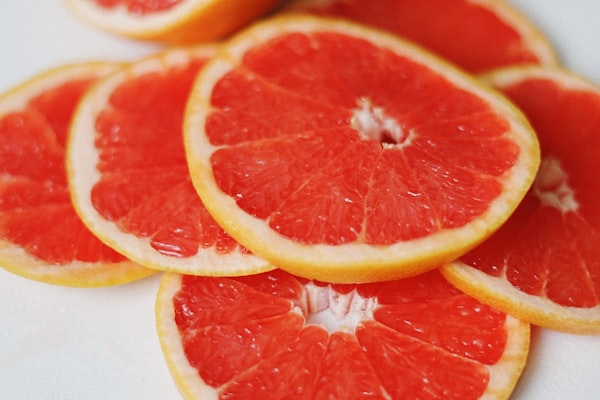
Bergamot Oil
Citrus bergamia
Origin: Italy (Calabria), Ivory Coast, Brazil
Bergamot oil is a refreshing citrus essential oil cold-pressed from the rind of the Citrus bergamia fruit, a small citrus tree cultivated predominantly in the Calabria region of southern Italy. Uniquely positioned between citrus brightness and floral elegance, it is best known as the distinctive flavouring in Earl Grey tea. In aromatherapy, bergamot is celebrated for its mood-lifting, anxiety-reducing properties.
Benefits
Anxiety & Stress Reduction
Bergamot oil is one of the most studied citrus oils for mental health support. A systematic review published in Phytotherapy Research examined multiple clinical trials and concluded that bergamot essential oil aromatherapy may help reduce anxiety and stress. A study in the Journal of Alternative and Complementary Medicine found that participants who inhaled bergamot oil in a waiting room before surgery experienced significantly less anxiety than those who did not.
The key compounds linalool and linalyl acetate, which bergamot shares with lavender, are thought to interact with the nervous system to promote a calming effect without the sedation associated with pharmaceutical anxiolytics.
Mood Enhancement & Depression Support
Research suggests that bergamot oil may have antidepressant-like properties. A pilot study published in Frontiers in Pharmacology found that bergamot aromatherapy improved positive feelings and reduced cortisol (stress hormone) levels in participants. Its bright, uplifting citrus scent is traditionally used to combat low mood, seasonal affective feelings, and emotional fatigue.
Pain Management
Emerging research suggests that bergamot oil may have analgesic properties. A study published in the Journal of Ethnopharmacology found that linalool, a major component of bergamot oil, produced significant pain-reducing effects in animal models. While human clinical studies are still limited, bergamot oil is frequently used in aromatherapy massage blends for tension headaches and general discomfort.
Skin Health
Bergamot oil has been traditionally used in Italian folk medicine for skin care. It possesses antimicrobial properties that may help address minor skin blemishes. When properly diluted and used with sun-safety precautions, it may be beneficial for oily and acne-prone skin. Many natural skin care formulations include bergamot for its toning and clarifying properties.
Digestive Support
In traditional Italian medicine, bergamot has been used for centuries to support digestion. Research suggests that bergamot compounds may help stimulate the production of digestive fluids and support gut motility. While most evidence is based on oral preparations rather than aromatherapy, massaging diluted bergamot oil onto the abdomen is a popular complementary approach.
Uses
Mood-Lifting Diffuser Blend
Add 4–5 drops of bergamot oil to your diffuser for an uplifting, bright atmosphere. For a well-rounded mood-enhancing blend, combine with 2 drops of lavender and 2 drops of ylang ylang. Bergamot is especially beneficial during the darker months when spirits may be low, or after a long, stressful day.
Anxiety-Relief Inhalation
Place 1–2 drops of bergamot oil on a tissue or personal inhaler. Inhale slowly and deeply for 1–2 minutes during moments of stress, anxiety, or nervous tension. This is a discreet method that can be used anywhere — at work, in the car, or before a presentation. Many people find it helps settle pre-event nerves.
Skin-Clarifying Facial Steam
Add 2–3 drops of bergamot oil to a bowl of steaming water. Drape a towel over your head and allow the steam to cleanse and open pores for 5–7 minutes. This method may help balance oily skin and promote a clearer complexion. Always use bergaptene-free (FCF) bergamot oil for any skin application to avoid phototoxicity.
Relaxing Massage Oil
Blend 4 drops of bergamot oil with 3 drops of lavender oil and 2 drops of cedarwood oil in 30 ml of sweet almond oil. Use for a full-body or targeted massage to ease tension and promote relaxation. This blend combines the uplifting properties of bergamot with the calming effects of lavender and cedarwood.
Natural Room Freshener
Bergamot oil's clean, sophisticated citrus scent makes it an excellent natural room freshener. Combine 15 drops of bergamot oil with 100 ml of distilled water and 1 tablespoon of witch hazel in a spray bottle. Shake well before use and spritz into rooms, onto curtains, or onto linens for a refreshing fragrance.
Earl Grey Scented Candle Alternative
For a chemical-free room scent reminiscent of Earl Grey tea, diffuse 3 drops of bergamot oil with 2 drops of black pepper oil and 1 drop of vanilla absolute. This creates a warm, sophisticated aroma that is perfect for afternoon relaxation or social gatherings.
How to Use
Diffuser
Add 4–5 drops of bergamot oil to your ultrasonic diffuser. Run for 30–60 minutes. Bergamot is a versatile blending oil that pairs well with lavender, ylang ylang, cedarwood, geranium, frankincense, and other citrus oils. It works equally well as a morning energiser or an evening wind-down scent.
Topical Application
Always use bergaptene-free (FCF) bergamot oil for topical application. Standard bergamot oil contains bergaptene, a furocoumarin that causes severe phototoxic reactions (burns, blistering, and permanent pigmentation changes) when exposed to UV light. FCF bergamot has had this compound removed. Dilute to 2–3% concentration (12–18 drops per 30 ml of carrier oil) for adults.
Inhalation
For quick anxiety relief, place 1–2 drops on a tissue, cotton ball, or personal aromatherapy inhaler. Breathe slowly and deeply for 1–2 minutes. You can also add 2–3 drops to your palms, rub together, cup over your nose (avoiding the eyes), and inhale. This method provides rapid access to bergamot's mood-enhancing compounds.
Bath
Add 6–8 drops of FCF bergamot oil to a cup of Epsom salt or a tablespoon of carrier oil before adding to the bath. A bergamot bath is wonderfully uplifting for the mood while still being relaxing for the body. Avoid using regular (non-FCF) bergamot oil in the bath, as residue on skin combined with subsequent sun exposure could cause phototoxic reactions.
Safety & Side Effects
Phototoxicity — Critical Warning
Standard bergamot oil is highly phototoxic. It contains bergaptene (5-methoxypsoralen), a furocoumarin compound that causes severe photosensitivity. Applying standard bergamot oil to the skin and then exposing it to UV light (sunlight, tanning beds) can result in painful burns, blistering, and permanent dark pigmentation changes. For any topical use, always choose bergaptene-free (FCF) bergamot oil. Even with FCF bergamot, exercise caution with sun exposure for 12–18 hours after application.
Skin Sensitivity
Even FCF bergamot oil can cause skin irritation in some individuals if used at high concentrations. Always dilute to 2–3% in a carrier oil and perform a patch test before use. People with sensitive skin or conditions such as rosacea should start with a 1% dilution.
Drug Interactions
Bergamot may interact with certain medications. It may increase the absorption of some drugs through the skin, and orally consumed bergamot supplements may interact with statins and other medications metabolised by the liver. If you take prescription medications, consult your healthcare provider before regular use.
Children
Bergamot oil (FCF only) is generally considered safe for diffusion around children aged 2 and older. For topical use on children, dilute to 0.5–1% and avoid sun-exposed areas. Never use standard (non-FCF) bergamot oil on children's skin. Consult a paediatrician before use on young children.
Pregnancy
Bergamot oil is generally considered safe during pregnancy when used in moderation via diffusion or low-concentration topical application (FCF only) after the first trimester. Its calming properties make it popular during pregnancy for stress relief. Consult your midwife or obstetrician before use.
DIY Recipes
Bergamot Mood-Boosting Roller
A portable, uplifting blend for daily use to help combat stress, low mood, and nervous tension.
Ingredients:
- 6 drops bergamot essential oil (FCF)
- 4 drops lavender essential oil
- 3 drops frankincense essential oil
- Fractionated coconut oil (to fill)
- 1 x 10 ml glass roller bottle
Instructions:
- Add the essential oils to the roller bottle.
- Fill with fractionated coconut oil, leaving a small gap at the top.
- Insert the roller ball and cap securely.
- Roll onto wrists and the back of the neck when feeling stressed or low.
- Take a deep breath after application to inhale the uplifting aroma.
This blend is safe for daytime use as it uses FCF bergamot. Use within 6 months for best results.
Bergamot & Lavender Pillow Mist
A gentle, calming spray to promote relaxation and restful sleep.
Ingredients:
- 100 ml distilled water
- 1 tablespoon witch hazel
- 12 drops bergamot essential oil (FCF)
- 8 drops lavender essential oil
- 1 small glass spray bottle
Instructions:
- Add the witch hazel to the spray bottle.
- Add the essential oils and swirl gently.
- Add the distilled water and secure the lid.
- Shake well before each use.
- Spray lightly onto pillows and bed linen 15 minutes before sleep.
The witch hazel helps the oils disperse in water and acts as a mild preservative. Use within 2 months.
Uplifting Citrus Bath Salts
A bright, energising bath soak to lift the spirits and invigorate the senses.
Ingredients:
- 1 cup Epsom salt
- 1/2 cup baking soda
- 6 drops bergamot essential oil (FCF)
- 4 drops sweet orange essential oil
- 2 drops grapefruit essential oil
- 1 tablespoon sweet almond oil
Instructions:
- Mix the Epsom salt and baking soda in a bowl.
- Combine the carrier oil and essential oils in a separate dish.
- Pour the oil mixture over the salt and stir thoroughly.
- Add to a warm running bath and swirl to dissolve.
- Soak for 15–20 minutes.
Note: Avoid using this bath soak immediately before sun exposure. Even with FCF bergamot, minimal caution with UV exposure is advisable.
Frequently Asked Questions
What is bergamot oil used for?
Is bergamot oil phototoxic?
What does FCF mean for bergamot oil?
Does bergamot oil help with anxiety?
Can bergamot oil be used on the skin?
Is bergamot oil safe during pregnancy?
What does bergamot oil blend well with?
Is bergamot oil the same as bergamot in Earl Grey tea?
Stay Updated
Get the latest essential oil guides, DIY recipes, and wellness tips delivered to your inbox.
No spam. Unsubscribe anytime.