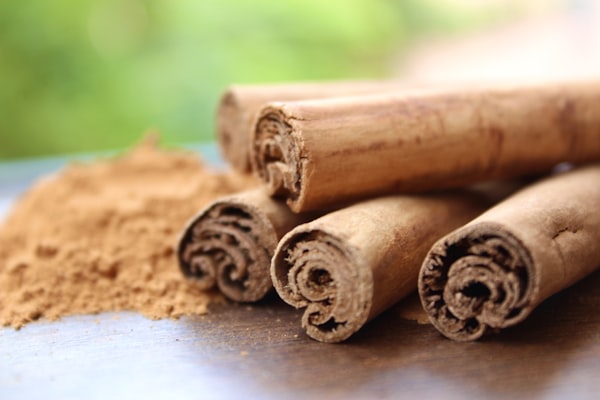
Cinnamon Oil
Cinnamomum verum (Ceylon) / Cinnamomum cassia (Cassia)
Origin: Sri Lanka, India (Kerala), Indonesia, China, Vietnam
Cinnamon oil is a warm, spicy essential oil steam-distilled from the bark or leaves of the Cinnamomum tree, one of the oldest known spices in human history. Prized in Ayurveda and Traditional Chinese Medicine for centuries, it contains potent bioactive compounds including cinnamaldehyde and eugenol that have been extensively studied for their antimicrobial, anti-inflammatory, and blood-sugar-regulating properties. Ceylon cinnamon (true cinnamon), native to Sri Lanka and southern India, is generally preferred for therapeutic use due to its lower coumarin content compared to cassia varieties.
Benefits
Potent Antimicrobial and Antifungal Activity
Cinnamon oil is one of the most powerful antimicrobial essential oils. Its primary active compound, cinnamaldehyde, which constitutes 60–90% of cinnamon bark oil, has been shown to inhibit a wide range of bacteria and fungi. A study published in the Journal of Agricultural and Food Chemistry found that cinnamon oil demonstrated strong bactericidal activity against foodborne pathogens including Listeria monocytogenes, Salmonella typhimurium, and Escherichia coli. Research in the International Journal of Food Microbiology confirmed its effectiveness against Aspergillus and Penicillium moulds.
Cinnamon oil has also demonstrated notable antifungal properties against Candida species. A study in the Journal of Medical Microbiology reported that cinnamon oil was effective against Candida albicans biofilms, which are notoriously difficult to treat. This makes cinnamon oil a valuable addition to natural antifungal protocols when used under proper dilution guidelines.
Blood Sugar Regulation Support
Cinnamon has been widely studied for its potential role in supporting healthy blood sugar levels. A meta-analysis published in the Journal of Medicinal Food reviewed 10 randomised controlled trials and concluded that cinnamon consumption was associated with statistically significant decreases in fasting blood glucose levels. While most studies used cinnamon powder rather than essential oil, the bioactive compound cinnamaldehyde is present in both forms.
The mechanism appears to involve improved insulin sensitivity and slowed gastric emptying. Aromatherapy practitioners in India often recommend diffusing cinnamon oil as part of a holistic approach to metabolic wellness, though it should always complement — never replace — medical management of diabetes.
Powerful Anti-Inflammatory Effects
Research published in Food and Chemical Toxicology demonstrated that cinnamaldehyde inhibits the production of nitric oxide and pro-inflammatory cytokines including TNF-alpha and IL-6. These anti-inflammatory effects may benefit individuals dealing with chronic inflammation, joint discomfort, and inflammatory skin conditions. A study in the Journal of Ethnopharmacology found that cinnamon bark extract significantly reduced paw oedema in animal models, comparable to the effects of standard anti-inflammatory drugs.
When diluted properly and applied topically, cinnamon oil may provide warming relief for sore muscles and stiff joints. Its thermogenic (heat-generating) properties increase local blood circulation, which can further support the body's natural healing response.
Antioxidant Protection
Cinnamon oil ranks among the highest ORAC (Oxygen Radical Absorbance Capacity) values of any essential oil. A comparative study published in the Journal of Agricultural and Food Chemistry found that cinnamon essential oil demonstrated superior antioxidant capacity compared to many synthetic antioxidants. The polyphenolic compounds in cinnamon, including eugenol and cinnamaldehyde, effectively neutralise free radicals and may protect cells from oxidative damage.
This antioxidant capacity makes cinnamon oil a valuable ingredient in natural skincare formulations aimed at combating premature ageing and environmental damage.
Mood Enhancement and Cognitive Function
The warm, comforting aroma of cinnamon oil has demonstrated positive effects on cognitive performance. A study conducted at Wheeling Jesuit University found that cinnamon aroma enhanced participants' scores on tasks related to attentional processes, working memory, and visual-motor speed. Cinnamon's stimulating scent is believed to activate the limbic system and promote mental alertness without causing the jitteriness associated with caffeine.
In Ayurvedic practice, cinnamon is classified as a warming spice that stimulates the mind and improves focus. Diffusing cinnamon oil during study sessions or work may help maintain concentration and mental clarity.
Circulatory Support
Cinnamon oil's warming properties help stimulate blood circulation when applied topically in a diluted form. Improved circulation supports nutrient delivery to tissues and may help relieve cold extremities — a common concern during Indian winters. Traditional Ayurvedic practitioners have long used cinnamon in warming oil formulations for massage therapy aimed at improving peripheral circulation.
Uses
Warming Room Diffusion
Add 2–3 drops of cinnamon bark oil to your ultrasonic diffuser for a warm, inviting atmosphere. Cinnamon's antimicrobial vapours may help purify indoor air during monsoon season when mould and bacteria thrive in humid conditions. Blend with 2 drops of sweet orange oil and 1 drop of clove oil for a classic spiced aroma that also serves as a natural air freshener.
Topical Muscle and Joint Relief
Dilute 1–2 drops of cinnamon oil in 2 tablespoons of sesame or coconut carrier oil and massage into sore muscles and stiff joints. The warming action increases local blood flow and may help reduce muscle tension after exercise or physical labour. This is particularly popular during winter months in northern India when joint stiffness increases. Always test on a small area first, as cinnamon oil can cause skin irritation.
Natural Household Disinfectant
Cinnamon oil's broad-spectrum antimicrobial properties make it an excellent addition to homemade cleaning solutions. Add 10–15 drops to a spray bottle with 500 ml of water and 2 tablespoons of white vinegar. Use on kitchen countertops, cutting boards, and bathroom surfaces. The pleasant spiced aroma eliminates the need for synthetic fragrances in your cleaning products.
Oral Care Support
Add 1 drop of cinnamon leaf oil (milder than bark oil) to 1 tablespoon of coconut oil for oil pulling — an Ayurvedic oral hygiene practice. Swish for 10–15 minutes and spit out. Cinnamon's antimicrobial properties may help combat oral bacteria responsible for bad breath and gum problems. Do not swallow the mixture. This practice is widely followed across India as part of traditional morning routines.
Insect Repellent
Cinnamon oil is a natural insect deterrent effective against mosquitoes, ants, and dust mites. A study published in the Journal of Agricultural and Food Chemistry found cinnamon oil effective against Aedes aegypti mosquito larvae — the species responsible for dengue and chikungunya, both prevalent in India. Add 5–10 drops to a cotton ball and place near doorways, or mix with water in a spray bottle for a natural room spray.
Food Preservation
In the Indian kitchen, cinnamon oil can be used as a natural food preservative. Its antimicrobial properties help inhibit the growth of food spoilage organisms. Add 1 drop to a damp cloth and wipe the inside of your fruit basket or bread bin to extend the freshness of stored foods. This practice aligns with the traditional Indian use of whole cinnamon sticks in rice and grain storage.
How to Use
Diffuser
Add 2–3 drops of cinnamon oil to your diffuser. Cinnamon has a very strong aroma, so start with fewer drops and increase gradually. Diffuse for no more than 30 minutes at a time in a well-ventilated room. Avoid continuous diffusion as prolonged exposure to cinnamon vapour may irritate the respiratory tract. Blends well with orange, clove, cardamom, vanilla, and ginger oils.
Topical Application
Cinnamon oil is a potent skin sensitiser and must always be heavily diluted. For cinnamon bark oil, use a maximum dilution of 0.07% (approximately 1 drop per 70 ml of carrier oil) according to the International Fragrance Association (IFRA) guidelines. Cinnamon leaf oil is somewhat gentler and can be used at up to 0.5% dilution (3 drops per 30 ml). Always perform a 24-hour patch test before broader application. Suitable carriers include coconut, jojoba, and sesame oils.
Steam Inhalation
Add 1 drop of cinnamon oil to a bowl of steaming water. Lean over the bowl with a towel draped over your head, keeping your face at least 30 cm away. Close your eyes and breathe deeply for 3–5 minutes. This method may help relieve nasal congestion and sinus pressure during seasonal colds. Use only 1 drop, as cinnamon vapour is very intense and can irritate mucous membranes.
Warm Compress
Add 1 drop of cinnamon oil to a tablespoon of carrier oil, then add the mixture to a basin of warm water. Soak a clean flannel cloth, wring out, and apply to sore muscles or stiff joints for 15–20 minutes. The warmth combined with cinnamon's circulatory-stimulating properties can provide soothing relief. This method is safer than direct topical application for cinnamon bark oil.
Safety & Side Effects
Severe Skin Sensitisation Risk
Cinnamon bark oil is one of the most common essential oil causes of contact dermatitis and skin sensitisation. The compound cinnamaldehyde is a well-documented skin sensitiser. The IFRA recommends a maximum dermal concentration of just 0.07% for cinnamon bark oil — one of the lowest limits among all essential oils. Cinnamon leaf oil, which is higher in eugenol and lower in cinnamaldehyde, is somewhat safer for topical use but still requires dilution to 0.5% or less.
Never apply cinnamon oil undiluted to the skin. Even at low concentrations, it may cause redness, burning, and irritation in sensitive individuals. Avoid use on broken or damaged skin, and keep away from the face, eyes, and mucous membranes.
Mucous Membrane Irritation
Do not ingest cinnamon essential oil. It is vastly more concentrated than the cinnamon powder used in cooking and can cause severe irritation or chemical burns to the mouth, throat, and digestive tract. Even when diffused, excessive exposure can irritate the nasal passages and throat. If you experience coughing or throat irritation during diffusion, stop immediately and ventilate the room.
Pregnancy, Breastfeeding, and Children
Cinnamon oil should be avoided during pregnancy as cinnamaldehyde may have uterotonic effects. Breastfeeding mothers should also avoid topical use, as the compounds may pass into breast milk. Do not use cinnamon oil on or around children under 6 years of age. For children aged 6–12, use only cinnamon leaf oil at half the adult dilution rate and only with a paediatrician's guidance.
Drug Interactions
Cinnamon oil may interact with blood-thinning medications (warfarin, aspirin) due to its coumarin content — particularly in cassia cinnamon varieties. It may also potentiate the effects of diabetes medications, leading to hypoglycaemia. If you take prescription medications for blood sugar management, blood pressure, or blood thinning, consult your doctor before using cinnamon oil regularly.
Bark Oil vs Leaf Oil
It is essential to distinguish between cinnamon bark oil and cinnamon leaf oil. Bark oil is rich in cinnamaldehyde (60–90%) and carries higher skin sensitisation risk. Leaf oil is rich in eugenol (70–95%) and is generally safer for topical use but should still be diluted. Always check the product label for the specific oil type and adjust dilution accordingly. For most home aromatherapy applications, cinnamon leaf oil is the safer choice.
DIY Recipes
Warming Cinnamon Massage Oil for Winter
A gentle warming massage blend ideal for cold weather muscle stiffness and poor circulation.
Ingredients:
- 30 ml sesame oil (traditionally warming in Ayurveda)
- 1 drop cinnamon leaf essential oil
- 3 drops ginger essential oil
- 2 drops black pepper essential oil
Instructions:
- Pour the sesame oil into a small glass bottle.
- Add the essential oils and swirl gently to combine.
- Warm the bottle between your palms before application.
- Massage into shoulders, lower back, and legs using firm, upward strokes.
- Leave on for at least 30 minutes or overnight for deeper absorption.
- Store in a cool, dark place. Use within 3 months.
Note: Uses cinnamon leaf oil (not bark) for safer topical application. Perform a patch test first. Not suitable for children under 12 or pregnant women.
Cinnamon Spice Room Spray
A natural air freshening spray with antimicrobial properties, perfect for the kitchen and living areas.
Ingredients:
- 200 ml distilled water
- 1 tablespoon witch hazel or vodka (as emulsifier)
- 5 drops cinnamon bark essential oil
- 8 drops sweet orange essential oil
- 3 drops clove bud essential oil
- 1 glass spray bottle
Instructions:
- Add the witch hazel or vodka to the spray bottle.
- Add all the essential oils and swirl to mix.
- Top up with distilled water.
- Shake vigorously before each use.
- Spray into the air (not directly onto fabrics or surfaces that may stain).
- Use within 4 weeks for best potency.
This blend is especially pleasant during Diwali and the festive season. The antimicrobial properties help purify indoor air during the monsoon months.
Anti-Ant Kitchen Barrier
A natural, non-toxic solution to deter ants from kitchen surfaces — a common household need in tropical Indian climates.
Ingredients:
- 250 ml water
- 1 tablespoon white vinegar
- 10 drops cinnamon bark essential oil
- 5 drops peppermint essential oil
Instructions:
- Combine all ingredients in a spray bottle.
- Shake well before each use.
- Spray along ant trails, doorways, windowsills, and kitchen entry points.
- Reapply daily for best results.
- Wipe down surfaces before preparing food.
Cinnamon oil disrupts the scent trails that ants follow. This solution is safe to use in kitchens, unlike chemical pesticides, but keep away from pets and children.
Frequently Asked Questions
What is the difference between cinnamon bark oil and cinnamon leaf oil?
Is cinnamon oil safe to apply on the skin?
Can cinnamon oil help control blood sugar?
Is cinnamon oil effective as a mosquito repellent?
Can I use cinnamon oil during pregnancy?
Which type of cinnamon oil is best — Ceylon or cassia?
Stay Updated
Get the latest essential oil guides, DIY recipes, and wellness tips delivered to your inbox.
No spam. Unsubscribe anytime.