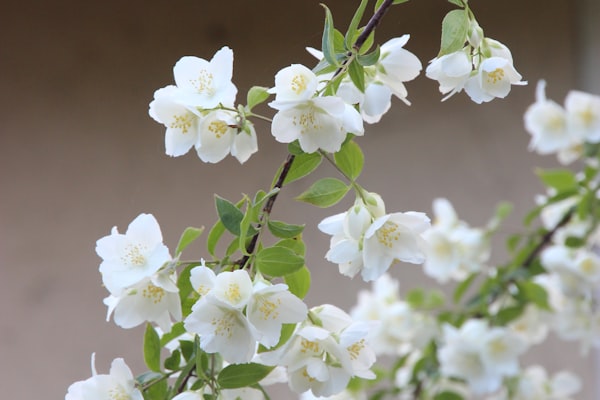
Jasmine Oil
Jasminum grandiflorum (Royal Jasmine) / Jasminum sambac (Arabian Jasmine)
Origin: India (Tamil Nadu, Karnataka), Egypt, Morocco, France, China
Jasmine oil is a luxurious, intensely floral essential oil traditionally extracted through enfleurage or solvent extraction from the delicate white flowers of the Jasminum plant. Known as the "King of Flowers" in India, jasmine (called mogra or mallige) holds deep cultural significance across South Asia, where it is woven into garlands for weddings, temple offerings, and daily hair adornment. India is the world's largest producer of jasmine flowers, with Tamil Nadu's Madurai region famous for its jasmine cultivation. Prized equally in perfumery and aromatherapy, jasmine oil is one of the most expensive essential oils due to the enormous quantity of flowers required — approximately 3.6 million flowers to produce just one kilogram of oil.
Benefits
Powerful Antidepressant and Mood Elevator
Jasmine oil is widely regarded as one of the most effective natural antidepressants in aromatherapy. A clinical study published in the Journal of Health Research found that participants who inhaled jasmine oil experienced significant increases in positive emotions, including feelings of well-being, alertness, and romantic feelings. Research published in Natural Product Communications demonstrated that jasmine oil stimulated the release of serotonin and other neurotransmitters associated with mood elevation.
Unlike many calming essential oils that induce sedation, jasmine has a unique dual action — it uplifts mood while simultaneously reducing anxiety, creating a state of calm alertness. This makes it particularly valuable for individuals dealing with mild depression, emotional exhaustion, or the stress of daily urban life in India's fast-paced cities.
Anxiety and Stress Relief
A landmark study published in the Journal of Biological Chemistry at Ruhr University Bochum found that jasmine's fragrance molecules, when inhaled, enhanced the effect of GABA on nerve cells — the same mechanism used by barbiturates and propofol. The researchers described jasmine as having effects "as strong as sedatives, sleeping pills, and relaxants." A clinical trial in the Iranian Journal of Nursing and Midwifery Research reported that jasmine oil inhalation significantly reduced anxiety in patients undergoing medical procedures.
In Indian wellness traditions, jasmine has been used for centuries to calm the mind before meditation and prayer. Its rich, intoxicating fragrance is believed to open the heart chakra and promote emotional balance — a practice now supported by modern neuroscience.
Sleep Quality Enhancement
Research published in the European Journal of Applied Physiology found that jasmine tea odour (containing jasmine volatile compounds) decreased heart rate and produced a state of calm and vigour during sleep. A study at Wheeling Jesuit University confirmed that jasmine scent improved sleep quality and reduced sleep movement in participants. The researchers noted that jasmine's sedative effects were comparable to those of lavender but with an additional mood-enhancing component.
For the millions of Indians struggling with sleep issues due to urban noise pollution, work stress, and screen exposure, jasmine oil offers a natural, culturally familiar approach to improving sleep hygiene. The tradition of keeping jasmine flowers by the bedside or in the hair at night aligns perfectly with this scientific evidence.
Skin Health and Anti-Ageing
Jasmine oil has been used in Ayurvedic skincare for centuries, and modern research has begun to validate these traditional practices. A study published in Natural Product Communications found that jasmine extract demonstrated significant antioxidant activity and inhibited elastase — an enzyme that breaks down elastin in the skin, contributing to wrinkles and sagging. Research in the Journal of Ethnopharmacology reported that Jasminum grandiflorum extract promoted wound healing and showed anti-inflammatory properties.
Jasmine oil is considered a natural emollient that helps maintain skin moisture without clogging pores. Its gentle nature makes it suitable for all skin types, including sensitive skin. The traditional Indian practice of applying jasmine-infused coconut oil to the face and body is a time-tested skincare ritual that modern science is now beginning to explain.
Hormonal Balance and Reproductive Health
Jasmine oil has been traditionally used across Asian cultures to support female reproductive health. A study published in the Journal of Obstetrics and Gynaecology Research found that jasmine oil inhalation helped reduce labour pain and anxiety during childbirth. Research in the Evidence-Based Complementary and Alternative Medicine journal indicated that jasmine aromatherapy may help regulate menstrual cycles and reduce PMS symptoms.
Jasmine oil is also considered an aphrodisiac in many traditional medicine systems. Its rich, intoxicating scent is believed to stimulate romantic feelings and emotional intimacy — a quality that has made it a staple in Indian bridal preparations and marital chambers for centuries.
Uses
Romantic and Relaxing Diffusion
Add 3–4 drops of jasmine oil (or 2 drops jasmine absolute diluted in 1 drop of carrier oil) to your diffuser for an intoxicating, calming atmosphere. Jasmine's rich floral scent creates an instantly luxurious ambiance suitable for relaxation, meditation, or romantic evenings. Blend with 2 drops of sandalwood for a classic Indian fragrance combination, or with 2 drops of ylang ylang for intensified floral richness.
Bedtime Sleep Ritual
Place 1–2 drops of jasmine oil on your pillow (on a tissue placed on the pillowcase to avoid staining) 15 minutes before sleep. Alternatively, apply a diluted blend (2 drops jasmine in 1 teaspoon of coconut oil) to your wrists and temples. The scientifically documented sedative and mood-enhancing properties of jasmine help ease the transition to restful sleep while reducing anxiety-related insomnia.
Luxurious Facial Serum
Add 2–3 drops of jasmine absolute to 30 ml of jojoba or rosehip seed oil. Apply 3–4 drops to clean, damp skin in the evening. Jasmine's antioxidant and moisturising properties help combat fine lines, even out skin tone, and restore radiance. This serum is suitable for all skin types and is particularly beneficial for mature and dry skin. The traditional Indian practice of jasmine-infused face oils is centuries old.
Stress-Relief Massage
Dilute 4–5 drops of jasmine oil in 2 tablespoons of sweet almond or coconut carrier oil. Use for a full-body massage focusing on the shoulders, neck, and feet. Jasmine's combined anxiolytic and uplifting properties make it one of the most therapeutic massage oils available. This practice is especially beneficial during high-stress periods such as exam season, work deadlines, or wedding preparations.
Natural Perfume
Jasmine oil is one of the most prized ingredients in perfumery, forming the heart note of many iconic fragrances. Create a natural perfume by combining 3 drops of jasmine absolute with 2 drops of sandalwood and 1 drop of bergamot in 10 ml of jojoba oil. Apply to pulse points — wrists, behind the ears, and at the base of the throat. This all-natural perfume is free from synthetic chemicals and lasts 4–6 hours.
Hair Perfume and Conditioning Treatment
Add 3–4 drops of jasmine oil to 2 tablespoons of warm coconut oil. Massage into the hair and scalp, focusing on the ends. Leave for 30 minutes to overnight, then wash with a gentle shampoo. This practice combines the conditioning benefits of coconut oil with jasmine's delicate fragrance. In South India, women traditionally weave jasmine flowers into their hair — this oil treatment provides a similar fragrance with added moisturising benefits.
Meditation and Spiritual Practice
Jasmine oil has been used in Indian spiritual practices for millennia. Apply 1 drop to the third eye point (between the eyebrows) diluted in a small amount of sandalwood paste or carrier oil before meditation. Alternatively, diffuse 2–3 drops during prayer or yoga practice. Jasmine is believed to open the heart chakra and promote spiritual awareness, emotional release, and a sense of connection.
How to Use
Diffuser
Add 2–4 drops of jasmine oil to your ultrasonic diffuser. Jasmine has an intensely rich, sweet floral aroma, so start with fewer drops — a little goes a long way. Diffuse for 30–60 minutes for optimal effect. Blends beautifully with sandalwood, rose, ylang ylang, bergamot, citrus oils, and vanilla.
Note: True jasmine "essential oil" is technically an absolute (solvent-extracted) rather than a steam-distilled oil. Jasmine absolute is very thick and viscous. For easier diffusion, look for jasmine oil pre-diluted in jojoba or opt for jasmine CO2 extract.
Topical Application
Jasmine oil is generally well-tolerated by the skin and is one of the gentler oils for topical use. Dilute to 2–3% concentration (12–18 drops per 30 ml of carrier oil) for body application, or 1% (6 drops per 30 ml) for facial use. Suitable carrier oils include jojoba, sweet almond, rosehip, and coconut. Jasmine oil is non-phototoxic and can be applied before sun exposure (unlike many citrus oils).
Bath Soak
Add 4–5 drops of jasmine oil to 1 tablespoon of carrier oil or 1 cup of full-fat milk (the fats help disperse the oil) and add to a warm bath. Soak for 20–30 minutes for a deeply relaxing experience. The combination of warm water and jasmine's intoxicating aroma creates a spa-like ritual that is perfect for unwinding after a stressful day. Add a handful of dried rose petals for an authentic Indian luxury bath experience.
Direct Inhalation
Place 1 drop of jasmine oil on a tissue or cotton ball and inhale deeply 3–4 times when you need immediate stress relief or mood elevation. This method is convenient for use at work, during travel, or in situations where a diffuser is not available. The aromatic compounds reach the limbic system (emotional brain) within seconds, providing near-instant mood support.
Safety & Side Effects
Generally Well-Tolerated
Jasmine oil is considered one of the safest essential oils for topical and aromatic use. It has a low risk of skin sensitisation and irritation compared to most essential oils. However, as with all essential oils, individual sensitivities can occur. Perform a patch test before first use, especially if you have sensitive skin, eczema, or a history of allergic reactions to fragrances.
Solvent Residues in Absolutes
True jasmine essential oil is not available as a steam-distilled product — the delicate flowers cannot withstand the heat of distillation. Jasmine "oil" is typically an absolute, extracted using solvents such as hexane. While reputable suppliers ensure solvent residues are negligible, individuals who are chemically sensitive may wish to choose jasmine CO2 extract instead, which uses carbon dioxide rather than chemical solvents.
Pregnancy Considerations
Jasmine oil has been traditionally used to support labour and childbirth. For this reason, it is generally recommended to avoid jasmine oil during the first and second trimesters of pregnancy. In the third trimester and during labour, it may be used under the guidance of a qualified midwife or healthcare provider. Some aromatherapists recommend jasmine oil during active labour to help reduce pain and anxiety.
Quality and Adulteration
Jasmine oil is one of the most commonly adulterated essential oils due to its high cost (genuine jasmine absolute can cost Rs 15,000–30,000 per 10 ml). Synthetic jasmine fragrances, diluted products, and blends using cheaper oils like ylang ylang are frequently sold as "jasmine oil." Always purchase from reputable suppliers who provide GC-MS (gas chromatography-mass spectrometry) testing certificates. If the price seems too good to be true, it almost certainly is.
Concentration and Headaches
Jasmine oil's intense aroma can cause headaches in some individuals when used in excess. Start with 1–2 drops and increase gradually. If you experience headaches or nausea while using jasmine oil, reduce the amount, increase ventilation, or switch to a lighter floral oil. People prone to migraines should exercise particular caution with strongly scented oils like jasmine.
DIY Recipes
Jasmine and Sandalwood Sleep Balm
A deeply relaxing balm inspired by traditional Indian bedtime rituals, designed to promote restful sleep and calm the mind.
Ingredients:
- 2 tablespoons shea butter
- 1 tablespoon coconut oil
- 1 teaspoon beeswax pellets
- 4 drops jasmine absolute
- 3 drops sandalwood essential oil
- 2 drops lavender essential oil
Instructions:
- Melt the shea butter, coconut oil, and beeswax together in a double boiler.
- Remove from heat and let cool for 3 minutes.
- Add the essential oils and stir gently to combine.
- Pour into a small glass jar or tin.
- Allow to set completely at room temperature (about 2 hours).
- Apply a small amount to wrists, temples, and chest before bed.
The combination of jasmine's scientifically validated sleep-enhancing properties with sandalwood's grounding warmth creates a powerful bedtime ritual. Store in a cool, dark place. Use within 4 months.
Jasmine Glow Facial Oil
A luxurious anti-ageing facial serum suitable for all skin types, inspired by Ayurvedic beauty rituals.
Ingredients:
- 15 ml rosehip seed oil
- 10 ml jojoba oil
- 5 ml sweet almond oil
- 3 drops jasmine absolute
- 2 drops frankincense essential oil
- 1 drop rose essential oil (optional — increases cost significantly)
Instructions:
- Combine all carrier oils in a dark glass dropper bottle.
- Add the essential oils.
- Replace the dropper cap and roll gently between palms to blend.
- Apply 3–4 drops to clean, slightly damp skin each evening.
- Massage in upward, circular motions focusing on fine lines and dry areas.
- Follow with your regular moisturiser if needed.
Rosehip seed oil provides vitamin A and essential fatty acids that support skin regeneration, while jasmine's antioxidant and elastase-inhibiting properties help maintain skin firmness. This is a high-value serum — a single batch lasts 1–2 months with daily use.
Jasmine Hair Perfume Mist
A light, alcohol-free hair mist that imparts the fragrance of fresh jasmine flowers — a modern take on the traditional South Indian practice of wearing jasmine in the hair.
Ingredients:
- 100 ml distilled water
- 1 tablespoon aloe vera gel
- 1 teaspoon vegetable glycerine
- 5 drops jasmine absolute
- 2 drops ylang ylang essential oil
- 1 fine-mist spray bottle
Instructions:
- Dissolve the aloe vera gel in the distilled water.
- Add the vegetable glycerine and stir.
- Add the essential oils and shake vigorously.
- Transfer to the spray bottle.
- Shake well before each use.
- Mist lightly over dry hair from 20 cm away.
The aloe vera and glycerine add a light conditioning effect while helping disperse the oils. This mist does not contain alcohol, so it will not dry out the hair. Use within 2 weeks (store in the refrigerator for longer shelf life) as it contains no preservatives.
Frequently Asked Questions
Why is jasmine oil so expensive?
What is the difference between jasmine absolute and jasmine essential oil?
Is jasmine oil safe during pregnancy?
Can jasmine oil help with depression?
What is the best way to use jasmine oil for sleep?
What is the difference between Jasminum grandiflorum and Jasminum sambac?
Stay Updated
Get the latest essential oil guides, DIY recipes, and wellness tips delivered to your inbox.
No spam. Unsubscribe anytime.