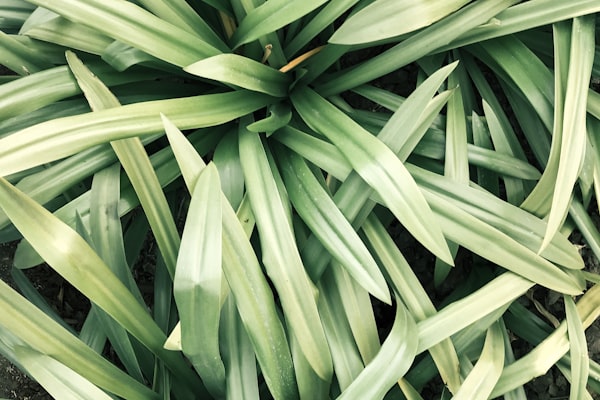
Lemongrass Oil
Cymbopogon citratus (West Indian) / Cymbopogon flexuosus (East Indian)
Origin: India, Sri Lanka, Thailand, Guatemala, Brazil
Lemongrass oil is a fresh, citrusy essential oil steam-distilled from the tall, aromatic grasses of the Cymbopogon genus, widely cultivated across India and Southeast Asia. Known as "fever grass" in traditional medicine systems across the tropics, lemongrass has been used for centuries to reduce fevers, aid digestion, and repel insects. India is the world's largest producer of lemongrass oil, particularly the East Indian variety (C. flexuosus), making it one of the most accessible and affordable essential oils for Indian households.
Benefits
Powerful Insect Repellent
Lemongrass oil is one of the most effective natural insect repellents available. Its primary active compound, citral (comprising 65–85% of the oil), has demonstrated strong repellent activity against mosquitoes, including Aedes aegypti and Anopheles species. A study published in the Journal of the American Mosquito Control Association found that lemongrass oil provided over 2 hours of protection against mosquito bites when applied in a 10% concentration. Research in the Tropical Biomedicine journal confirmed its effectiveness against houseflies and stable flies as well.
In India, where mosquito-borne diseases like dengue, malaria, and chikungunya remain significant health concerns, lemongrass oil offers an affordable, natural alternative to DEET-based repellents — particularly appealing for families with children who prefer to limit chemical exposure.
Anti-Inflammatory and Analgesic Properties
Lemongrass oil has demonstrated notable anti-inflammatory effects in scientific studies. Research published in the Journal of Ethnopharmacology found that citral inhibited COX-2 enzyme activity, a key pathway in the inflammatory response. A study in the Phytomedicine journal reported that lemongrass extract reduced inflammation markers in animal models comparable to the anti-inflammatory drug diclofenac.
These properties make lemongrass oil a popular choice for massage therapy aimed at relieving muscle pain, joint stiffness, and headaches. In Indian traditional medicine, lemongrass is frequently used in post-exercise recovery blends and for managing the body aches associated with monsoon-season fevers.
Antimicrobial and Antifungal Activity
Lemongrass oil possesses broad-spectrum antimicrobial properties. A study published in Letters in Applied Microbiology demonstrated that lemongrass oil was effective against Staphylococcus aureus, Bacillus cereus, and Escherichia coli. Its antifungal potency is equally impressive — research in the Journal of Applied Microbiology found it effective against Aspergillus niger and Candida albicans, common causes of fungal infections in tropical climates.
This combination of antibacterial and antifungal activity makes lemongrass oil particularly valuable in India's humid climate, where fungal skin infections and bacterial contamination of food are common concerns during the monsoon months.
Digestive Health Support
Lemongrass has been used across Asian and African traditional medicine systems to support digestion. Research in the Journal of Gastroenterology and Hepatology suggested that citral may help protect the gastric mucosa and reduce acid secretion. In Ayurveda, lemongrass is considered a digestive stimulant that helps relieve bloating, flatulence, and stomach cramps.
Lemongrass tea (using the fresh herb) is one of India's most popular herbal beverages, consumed daily in many households for its digestive benefits. While the essential oil should not be ingested, its aromatic use through abdominal massage or warm compresses may provide complementary digestive support.
Stress and Anxiety Reduction
The fresh, citrusy aroma of lemongrass oil has demonstrated anxiolytic (anxiety-reducing) effects. A study published in the Journal of Alternative and Complementary Medicine found that participants who inhaled lemongrass oil experienced immediate reductions in anxiety and subjective tension. Researchers attributed this effect to citral's interaction with GABA receptors in the brain — the same pathway targeted by anti-anxiety medications.
Diffusing lemongrass oil in the home or workplace may help create a calming yet uplifting environment. Its bright, clean scent is particularly effective at combating the mental fatigue and lethargy associated with India's hot, humid summers.
Natural Deodoriser
Lemongrass oil's fresh, clean scent and antimicrobial properties make it an exceptional natural deodoriser. It effectively neutralises odours rather than simply masking them, as the antimicrobial action targets odour-causing bacteria. This dual mechanism makes it superior to many synthetic air fresheners. It is commonly used in Indian households to freshen kitchens, bathrooms, and shoe storage areas, especially during the monsoon when humidity amplifies unpleasant odours.
Uses
Natural Mosquito Repellent Spray
Mix 10–15 drops of lemongrass oil with 100 ml of water and 1 tablespoon of witch hazel in a spray bottle. Shake well and spray onto exposed skin (avoiding the face) before going outdoors. Reapply every 2 hours. This provides natural protection against mosquitoes during evening walks or outdoor dining — essential during India's dengue and malaria seasons.
Refreshing Room Diffusion
Add 3–4 drops of lemongrass oil to your diffuser to freshen stale indoor air and create an uplifting atmosphere. Lemongrass works exceptionally well in combination with 2 drops of peppermint for a energising study blend, or with 2 drops of lavender for a balanced calming-yet-fresh ambiance. Diffuse for 30–45 minutes at a time.
Post-Workout Muscle Relief Massage
Dilute 4–5 drops of lemongrass oil in 2 tablespoons of coconut or sesame carrier oil. Massage into sore muscles, focusing on the calves, shoulders, and lower back. Lemongrass's anti-inflammatory and analgesic properties help relieve exercise-induced muscle pain. This is particularly popular among cricket players and runners in India who prefer natural recovery methods.
Antifungal Foot Treatment
Add 4–5 drops of lemongrass oil and 3 drops of tea tree oil to a basin of warm water with a cup of sea salt. Soak feet for 15–20 minutes. Lemongrass's antifungal properties help combat athlete's foot and toenail fungus — conditions that are extremely common in India's humid climate, especially during the monsoon season when feet remain damp for extended periods.
Natural Floor Cleaner
Add 15–20 drops of lemongrass oil to a bucket of warm water with a splash of white vinegar. Use to mop tile and stone floors. The antimicrobial action helps sanitise surfaces while the fresh citrus scent leaves your home smelling clean. This is a traditional practice in many South Indian households, where lemongrass has long been used as a natural cleaning agent.
Kitchen Odour Eliminator
Place 3–4 drops of lemongrass oil on a cotton ball and keep it near the kitchen bin, inside the fridge (on a saucer), or near the stove. The oil neutralises cooking odours from fish, spices, and fried foods. Replace the cotton ball every 2–3 days. You can also add 5 drops to the rinse water when cleaning out your fridge for a thorough deodorising effect.
Scalp and Hair Care
Add 3–4 drops of lemongrass oil to 2 tablespoons of coconut oil for a strengthening hair mask. Massage into the scalp, leave for 30 minutes, and wash out with a gentle shampoo. Lemongrass oil helps reduce dandruff and oiliness while promoting a healthy scalp environment. Research has shown its antifungal properties may help address Malassezia fungus, a common cause of dandruff.
How to Use
Diffuser
Add 3–5 drops of lemongrass oil to your ultrasonic diffuser. Lemongrass has a strong, sharp citrus aroma, so start with fewer drops if you are sensitive to scents. Diffuse for 30–45 minutes at a time in a well-ventilated room. Blends beautifully with lavender, peppermint, eucalyptus, geranium, and basil oils.
Topical Application
Lemongrass oil should be diluted to 1–2% concentration for topical use — approximately 6–12 drops per 30 ml of carrier oil. Coconut oil and sesame oil are ideal carriers, both widely available across India. Always perform a patch test before broader application. Apply to the soles of the feet, temples, or areas of muscle soreness. Avoid the face and sensitive skin areas.
Bath Soak
Add 4–5 drops of lemongrass oil to 1 tablespoon of carrier oil or a cup of Epsom salt, then add to your bath. The warm water helps the aromatic compounds evaporate, creating a spa-like experience. This method combines the benefits of topical absorption and aromatic inhalation. Soak for 15–20 minutes. Particularly refreshing after a long day in India's summer heat.
Compress
For localised pain relief, add 3–4 drops of lemongrass oil to a tablespoon of carrier oil, then add to a basin of warm water. Soak a clean cloth, wring out, and apply to the affected area for 15 minutes. Warm compresses work well for muscle pain and menstrual cramps. Cool compresses (using cold water) can help reduce headaches and heat-related discomfort.
Safety & Side Effects
Skin Sensitisation
Lemongrass oil may cause skin irritation or sensitisation in some individuals. The citral content can be irritating to sensitive skin, especially when the oil is old or oxidised. Always dilute to a maximum of 2% for topical use and perform a patch test. People with eczema or dermatitis should exercise extra caution or avoid topical use entirely. If you experience redness, itching, or burning, wash the area immediately with soap and water.
Eye and Mucous Membrane Irritation
Lemongrass oil is a strong mucous membrane irritant. Keep it well away from the eyes, inner ears, and nasal passages. If accidental contact occurs, flush with a carrier oil (not water) and seek medical attention if irritation persists. When diffusing, ensure the room is well-ventilated and avoid direct inhalation of concentrated vapour.
Pregnancy and Children
Lemongrass oil should be used with caution during pregnancy. While it is generally considered safer than many essential oils, pregnant women should use it only in diffusion at low concentrations and avoid topical application. For children aged 2–6, use at half the adult dilution rate (0.5–1%). Do not use on infants under 2 years of age. Always consult a paediatrician before using any essential oil on or around young children.
Drug Interactions
Lemongrass oil may interact with blood-thinning medications and cholesterol-lowering drugs. Its citral content has demonstrated hypoglycaemic effects in animal studies, so people taking diabetes medications should use it cautiously and monitor blood sugar levels. Consult your healthcare provider before regular use if you take any prescription medications.
Storage and Oxidation
Lemongrass oil is prone to oxidation when exposed to light, heat, or air. Oxidised lemongrass oil is significantly more likely to cause skin sensitisation. Store in a dark glass bottle in a cool, dry place. Replace any oil that smells rancid or different from when first opened. In India's hot climate, consider storing your essential oils in the refrigerator to extend their shelf life.
DIY Recipes
Lemongrass Mosquito Repellent Balm
A solid balm that provides portable, natural mosquito protection — ideal for India's dengue-prone monsoon season.
Ingredients:
- 2 tablespoons coconut oil
- 1 tablespoon beeswax pellets
- 8 drops lemongrass essential oil
- 5 drops citronella essential oil
- 3 drops eucalyptus essential oil
Instructions:
- Melt the coconut oil and beeswax together in a double boiler (or a glass bowl over simmering water).
- Remove from heat and allow to cool for 2 minutes.
- Stir in the essential oils quickly before the mixture solidifies.
- Pour into a small tin or glass jar.
- Allow to set completely (about 1 hour at room temperature, faster in the refrigerator).
- Apply to pulse points — wrists, ankles, behind ears — before going outdoors.
Reapply every 2 hours for continuous protection. Store in a cool place to prevent melting in Indian summers. Use within 3 months.
Energising Lemongrass Scalp Scrub
A refreshing scalp treatment that fights dandruff and excess oiliness while stimulating hair follicles.
Ingredients:
- 2 tablespoons coarse sea salt or sugar
- 2 tablespoons coconut oil (melted)
- 4 drops lemongrass essential oil
- 2 drops rosemary essential oil
- 1 teaspoon fresh lemon juice
Instructions:
- Mix the salt or sugar with the coconut oil to form a paste.
- Add the essential oils and lemon juice; stir well.
- Apply to damp hair, massaging gently into the scalp in circular motions for 3–5 minutes.
- Leave on for an additional 5 minutes.
- Rinse thoroughly and follow with your regular shampoo.
- Use once a week for best results.
This scrub helps remove product buildup and dead skin cells while lemongrass's antifungal properties combat the Malassezia fungus responsible for dandruff. Not suitable for coloured or chemically treated hair.
Fresh Lemongrass Floor Wash
A natural, antimicrobial floor cleaner that leaves your home smelling fresh — a modernised version of the traditional South Indian practice.
Ingredients:
- 1 bucket (5 litres) warm water
- 3 tablespoons white vinegar
- 15 drops lemongrass essential oil
- 5 drops tea tree essential oil
Instructions:
- Fill the bucket with warm water.
- Add the vinegar and essential oils.
- Stir well to distribute.
- Mop tile, marble, or stone floors as usual.
- No rinsing required — the vinegar and oils evaporate cleanly.
Suitable for daily use. Avoid on unsealed wooden floors. The combination of lemongrass and tea tree provides broad-spectrum antimicrobial action while the vinegar cuts through grease. Particularly effective during monsoon season when floors tend to develop a musty smell.
Frequently Asked Questions
Is lemongrass oil effective against mosquitoes?
What is the difference between East Indian and West Indian lemongrass oil?
Can lemongrass oil help with dandruff?
Is lemongrass oil safe for cats and dogs?
Can I use lemongrass oil for cooking?
How long does lemongrass oil last?
Stay Updated
Get the latest essential oil guides, DIY recipes, and wellness tips delivered to your inbox.
No spam. Unsubscribe anytime.