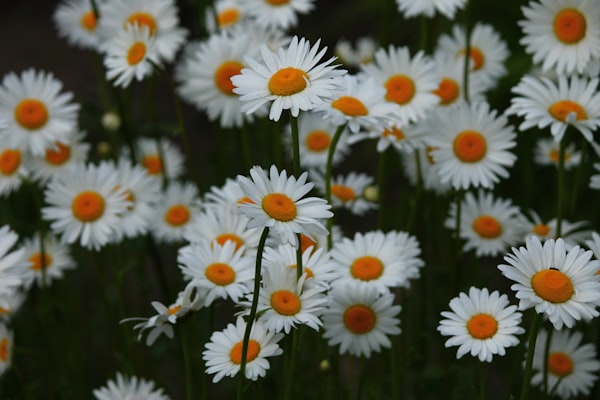
Neroli Oil
Citrus aurantium var. amara
Origin: Tunisia, Morocco, Egypt, Italy, India
Neroli oil is an exquisite essential oil steam-distilled from the freshly picked blossoms of the bitter orange tree (Citrus aurantium var. amara). One of the most precious and labour-intensive essential oils to produce — requiring approximately 1,000 kg of hand-picked blossoms to yield just 1 litre of oil — neroli has been treasured since the 17th century when Italian princess Anne Marie Orsini of Nerola used it as her signature scent. The oil offers a heavenly floral, citrusy, and slightly honeyed aroma that is unmatched in perfumery and therapeutic aromatherapy.
Benefits
Anxiety Reduction and Emotional Balance
Neroli oil is considered one of the most effective essential oils for anxiety and emotional distress. A landmark study published in Evidence-Based Complementary and Alternative Medicine found that inhalation of neroli oil significantly reduced anxiety in patients undergoing coronary angiography — a highly stressful medical procedure. The study reported reductions in both systolic blood pressure and cortisol levels. The oil's anxiolytic effects are attributed to its rich content of linalool, linalyl acetate, and nerolidol, which modulate the limbic system and promote parasympathetic nervous system activation.
Neroli is particularly valued for its ability to address emotional anxiety, grief, and shock. Unlike sedating oils such as vetiver, neroli uplifts while calming — creating a state of serene optimism rather than drowsiness. This makes it suitable for daytime anxiety management, pre-interview nerves, public speaking anxiety, and general emotional resilience.
Skin Rejuvenation and Anti-Ageing
Neroli oil is one of the most prized essential oils in skincare, particularly for mature and sensitive skin types. Research published in the Journal of Natural Medicines demonstrated that neroli oil exhibited significant cytophylactic properties — meaning it stimulates the regeneration of skin cells. The oil's rich citronellol and geraniol content provides antioxidant protection against UV-induced skin damage, while its anti-inflammatory compounds help reduce redness and irritation.
Regular use of neroli oil in facial care routines helps improve skin elasticity, reduce the appearance of fine lines and wrinkles, fade dark spots and hyperpigmentation, and restore a healthy, radiant glow. It is gentle enough for sensitive skin yet effective enough for visible anti-ageing results, making it a favourite among natural skincare formulators.
Blood Pressure and Cardiovascular Support
Multiple clinical studies have demonstrated neroli oil's ability to support cardiovascular health. A randomised controlled trial published in Evidence-Based Complementary and Alternative Medicine found that inhaling a blend containing neroli oil significantly reduced systolic and diastolic blood pressure in pre-hypertensive and hypertensive participants. A separate study in the Korean Journal of Adult Nursing confirmed that neroli aromatherapy reduced blood pressure and improved arterial pulse wave velocity in postmenopausal women.
These cardiovascular benefits appear to be mediated through the autonomic nervous system — neroli's calming compounds reduce sympathetic (fight-or-flight) nervous system activity and promote parasympathetic (rest-and-digest) dominance. While not a substitute for blood pressure medication, neroli aromatherapy can be a valuable complementary approach for stress-related hypertension.
Sleep Enhancement
Neroli oil has documented sleep-promoting properties that rival more commonly used oils like lavender. A study published in the Journal of Korean Academy of Nursing found that neroli oil inhalation significantly improved sleep quality in cardiac care patients. The oil contains nerolidol, a sesquiterpene with documented sedative effects in pharmacological studies published in Phytomedicine.
Neroli provides a unique sleep benefit — it eases the emotional rumination and worry that keep many people awake, rather than simply sedating the body. For individuals whose insomnia is driven by anxiety, grief, or emotional processing, neroli is often more effective than purely sedating oils. Diffuse in the bedroom 30 minutes before sleep or apply diluted to pulse points.
Antimicrobial and Anti-Inflammatory Properties
Research published in the Journal of Essential Oil Research demonstrated that neroli oil possesses significant antimicrobial activity against both Gram-positive and Gram-negative bacteria, as well as certain fungal strains. Its anti-inflammatory properties, attributed primarily to limonene and linalool, have been documented in studies published in Inflammation Research, showing inhibition of pro-inflammatory cytokine production.
These combined antimicrobial and anti-inflammatory properties make neroli oil valuable in skincare for acne-prone skin, minor wound healing, and managing inflammatory skin conditions like rosacea and eczema. The gentle nature of the oil means it can be used on sensitive and reactive skin types that cannot tolerate more aggressive antimicrobial oils like tea tree.
Uses
Luxurious Facial Serum
Neroli is the crown jewel of facial care oils. Add 3-4 drops to 30 ml of rosehip seed oil, argan oil, or jojoba oil for a powerful anti-ageing facial serum. Apply 3-4 drops of the blend to clean, slightly damp skin each evening, pressing gently with fingertips rather than rubbing. The oil absorbs quickly and works overnight to regenerate skin cells, reduce hyperpigmentation, and improve skin texture and tone.
Anxiety and Stress Relief Aromatherapy
Diffuse 4-5 drops of neroli oil when you need emotional support — during stressful work periods, before important meetings, or during times of personal difficulty. The uplifting yet calming aroma provides immediate emotional relief without drowsiness. For acute anxiety, place 1 drop on your palms (diluted), rub together, and inhale deeply for 5-10 breaths with your eyes closed.
Natural Perfume
Neroli is one of the most prized notes in perfumery and can be worn as a single-note fragrance. Create a simple yet sophisticated natural perfume by blending 8 drops neroli, 5 drops bergamot, and 3 drops sandalwood in 10 ml of jojoba oil. Apply to pulse points — the warmth of your skin releases the scent gradually throughout the day. Neroli was historically the signature scent of European royalty.
Post-Partum and Menopause Support
Neroli oil is highly valued for supporting women during hormonal transitions. For post-partum emotional adjustment, diffuse neroli blended with lavender and Roman chamomile. For menopausal anxiety and mood fluctuations, use a personal inhaler with 6 drops neroli and 4 drops clary sage. The oil helps stabilise mood, reduce anxiety, and provide emotional comfort during these significant life changes.
Scar and Stretch Mark Treatment
Neroli's cell-regenerating properties make it excellent for reducing the appearance of scars, stretch marks, and surgical marks. Blend 4-5 drops with 30 ml of rosehip seed oil and apply to affected areas twice daily, massaging gently for 2-3 minutes. Consistent use over 2-3 months typically yields visible improvement. This blend is particularly popular for post-pregnancy stretch marks.
Meditation and Spiritual Practice
Neroli has been used in spiritual and contemplative practices for centuries. Its ability to quiet the mind, open the heart, and promote a sense of transcendent calm makes it ideal for meditation, prayer, and yoga. Diffuse 3-4 drops during practice, or apply a diluted drop to the third eye (centre of forehead) and heart centre before sitting. The oil is particularly associated with cultivating self-acceptance and inner peace.
Wedding and Special Occasion Fragrance
Neroli has been the traditional flower of brides across Mediterranean cultures for centuries — the orange blossom represents purity, fertility, and eternal love. In Indian weddings, the addition of neroli to bridal preparation rituals adds a layer of aromatic luxury. Create a bridal body oil by blending neroli (5 drops), jasmine (3 drops), and rose (2 drops) in 30 ml of jojoba oil. Apply after bathing for a radiantly scented and moisturised complexion.
How to Use
Diffuser Method
Add 4-5 drops of neroli essential oil to your ultrasonic diffuser. Due to its premium cost, neroli is often blended with complementary oils to extend its use — try 3 drops neroli with 3 drops lavender and 2 drops bergamot. Neroli blends exceptionally well with almost all essential oil categories: citrus (bergamot, sweet orange), florals (rose, jasmine, ylang ylang), woods (sandalwood, cedarwood), and herbs (clary sage, lavender). Diffuse for 30-60 minutes.
Topical Application
Neroli oil is generally very gentle on the skin and well tolerated even by sensitive skin types. For facial use, dilute to 1-2% (6-12 drops per 30 ml carrier oil). For body application, 2-3% is appropriate. Rosehip seed oil, argan oil, and jojoba oil are ideal carriers that complement neroli's skin-regenerating properties. Apply to clean, slightly damp skin for optimal absorption.
Pulse Point Application
Apply diluted neroli to pulse points — inner wrists, behind the ears, base of the throat, and inside of elbows — for sustained aromatic exposure throughout the day. The warmth of these vascular areas slowly volatilises the oil, releasing its calming fragrance for hours. This is the most cost-effective way to enjoy neroli's benefits throughout the day.
Bath Ritual
Add 5-6 drops of neroli oil to 2 tablespoons of carrier oil, a cup of whole milk, or a cup of honey before adding to warm bath water. Soak for 20-30 minutes by candlelight for a truly luxurious experience. The combination of warm water, neroli's heavenly aroma, and the oil's skin-nourishing properties creates a spa-quality treatment at home. Add rose petals for an extra touch of indulgence.
Facial Mist
Create a hydrating facial mist by adding 3-4 drops of neroli oil to 100 ml of rose water with a teaspoon of vegetable glycerine. Shake well before each use and mist over clean skin before applying moisturiser, or over makeup throughout the day for a dewy refresh. Store in the refrigerator for a cooling effect. This doubles as a toner and a mood-boosting aromatic experience.
Safety & Side Effects
General Precautions
Neroli oil is one of the safest essential oils available and is considered non-toxic, non-irritating, and non-sensitising at recommended dilutions. It is well tolerated by most skin types, including sensitive and reactive skin. However, as with all essential oils, it should be stored properly, used within its shelf life, and kept out of reach of children.
Pregnancy and Breastfeeding
Neroli oil is generally considered safe for use during pregnancy at low dilutions (1% or less) and is actually recommended by many midwives and aromatherapists for managing pregnancy-related anxiety and insomnia. It is one of the few essential oils widely approved for use throughout all three trimesters. However, always consult your healthcare provider first, particularly during the first trimester and high-risk pregnancies.
Children
Neroli is one of the most child-friendly essential oils. It can be used via diffusion for children of all ages (in a well-ventilated room, for limited durations). For topical use on children aged 2-6, dilute to 0.5-1% (3-6 drops per 30 ml carrier oil). For children aged 6-12, 1-2% is appropriate. Neroli is particularly helpful for bedtime anxiety, nightmares, and emotional upset in children.
Phototoxicity
Neroli oil is NOT phototoxic, despite being derived from a citrus tree. Unlike cold-pressed citrus oils (bergamot, lemon, lime), neroli is steam-distilled from the flowers rather than expressed from the peel, and therefore does not contain the furanocoumarins that cause phototoxic reactions. Neroli is safe to use before sun exposure at standard dilutions.
Cost and Adulteration Warning
Due to its extremely high production cost, neroli oil is one of the most frequently adulterated essential oils on the market. Unscrupulous suppliers may dilute it with cheaper oils (petitgrain, sweet orange), synthetic linalool, or fragrance compounds. Always buy from reputable suppliers who provide GC-MS (gas chromatography-mass spectrometry) test reports. Genuine neroli oil should cost significantly more than most essential oils — if the price seems too good to be true, it likely is.
Dilution Guidelines
- Adults (facial serum): 1-2% dilution — 6-12 drops per 30 ml carrier oil
- Adults (body): 2-3% dilution — 12-18 drops per 30 ml carrier oil
- Children 6-12: 1-2% dilution — 6-12 drops per 30 ml carrier oil
- Children 2-6: 0.5-1% dilution — 3-6 drops per 30 ml carrier oil
- Infants under 2: Gentle diffusion only, brief duration
- Bath use: 5-6 drops mixed with carrier oil, milk, or honey
Storage
Store neroli oil in a tightly sealed dark glass bottle in a cool, dry place or in the refrigerator. Properly stored, neroli oil has a shelf life of 3-4 years. Like all essential oils, it will gradually lose potency over time, but neroli remains pleasant and usable for several years. Due to its high cost, store carefully to maximise longevity. If the oil develops an off or sour note, it has degraded and should be replaced.
DIY Recipes
Luxurious Anti-Ageing Facial Serum
A premium facial serum that harnesses neroli's cell-regenerating properties for visibly smoother, brighter, more youthful skin.
- 15 ml rosehip seed oil (rich in vitamin A and C)
- 10 ml argan oil (rich in vitamin E)
- 5 ml jojoba oil (closest to skin's natural sebum)
- 5 drops neroli essential oil
- 3 drops frankincense essential oil
- 2 drops rose essential oil (optional — adds cost but amplifies benefits)
Combine the carrier oils in a 30 ml dark glass dropper bottle. Add the essential oils, cap tightly, and roll gently between your palms for 60 seconds to blend. Allow the blend to marry for 24 hours before first use. Each evening after cleansing and toning, apply 4-5 drops to slightly damp skin, pressing gently with fingertips over your face, neck, and decolletage. Avoid tugging or rubbing. Use nightly for best results — visible improvements typically begin within 3-4 weeks of consistent use. Store in a cool, dark place and use within 3 months.
Calming Bath and Body Oil for Anxiety
A deeply calming blend for bath soaking or post-bath body application. Ideal for high-stress periods, grief support, or any time you need emotional restoration.
- 50 ml sweet almond oil
- 8 drops neroli essential oil
- 5 drops lavender essential oil
- 4 drops Roman chamomile essential oil
- 3 drops bergamot essential oil (FCF/furacoumarin-free for bath safety)
Combine all oils in a dark glass bottle and swirl gently. For a bath, add 2 tablespoons of the blend to warm running water. For body application, smooth over damp skin after bathing. The combination of sweet almond's silky texture with neroli's emotionally restorative aroma and lavender's relaxation properties creates a profoundly calming self-care ritual. Take slow, deep breaths while applying the oil, focusing on gratitude and release. Use within 2 months for maximum freshness and potency.
Bridal Glow Body Polish
A luxurious exfoliating treatment inspired by Mediterranean bridal beauty traditions. Leaves skin silky, luminous, and beautifully scented with neroli's classic orange blossom fragrance.
- 1 cup fine sugar (white or raw)
- 4 tablespoons cold-pressed coconut oil (melted)
- 1 tablespoon honey (raw, organic)
- 6 drops neroli essential oil
- 3 drops sweet orange essential oil
- 2 drops ylang ylang essential oil
Mix the sugar, melted coconut oil, and honey in a glass jar until well combined. Add the essential oils and stir thoroughly. In the shower, apply generous handfuls to damp skin and massage in circular motions, focusing on rough areas like elbows, knees, and heels. Rinse thoroughly with warm water — the coconut oil leaves a nourishing film on the skin that locks in moisture. Pat dry gently and follow with your favourite body oil or lotion. Use 2-3 times per week in the weeks leading up to a special event, or weekly as a regular self-care indulgence. Store in an airtight jar and use within 4 weeks. Keep water out of the jar to prevent bacterial growth.
Frequently Asked Questions
What does neroli oil smell like?
Why is neroli oil so expensive?
Is neroli oil safe during pregnancy?
What is the difference between neroli oil and orange essential oil?
Can neroli oil help with anxiety?
How can I tell if my neroli oil is genuine?
Stay Updated
Get the latest essential oil guides, DIY recipes, and wellness tips delivered to your inbox.
No spam. Unsubscribe anytime.