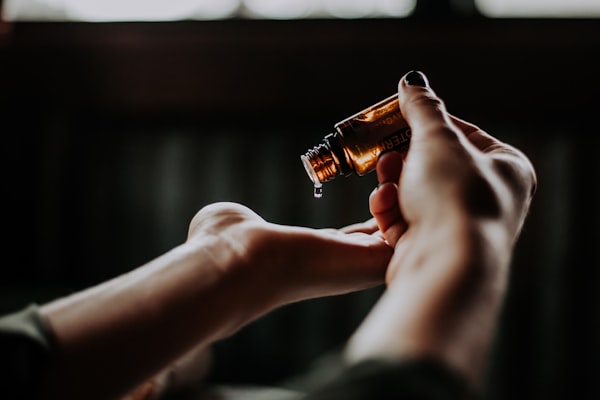
Patchouli Oil
Pogostemon cablin
Origin: Indonesia (Sumatra), India (Tamil Nadu, Karnataka), Malaysia, Philippines, China
Patchouli oil is a rich, earthy essential oil steam-distilled from the dried, fermented leaves of Pogostemon cablin, a tropical plant in the mint family. Unlike most essential oils that diminish with age, patchouli oil actually improves over time — like a fine wine, its initially sharp green notes mellow into a deep, complex, musky-sweet aroma that perfumers prize as a base note. India is among the world's largest producers of patchouli oil, with significant cultivation in Tamil Nadu and Karnataka. The oil has been used in traditional Indian medicine, Chinese medicine, and Southeast Asian folk remedies for centuries to treat skin conditions, digestive issues, and emotional imbalances.
Benefits
Anti-Inflammatory and Wound Healing
Patchouli oil has demonstrated significant anti-inflammatory and wound-healing properties in scientific research. A study published in Fitoterapia found that patchouli alcohol (the primary compound, comprising 30–45% of the oil) significantly inhibited the production of pro-inflammatory cytokines including TNF-alpha, IL-1beta, and IL-6. Research published in the European Journal of Pharmacology confirmed that patchouli alcohol reduced inflammation through the NF-kB signalling pathway — the same pathway targeted by many pharmaceutical anti-inflammatory drugs.
The wound-healing properties of patchouli oil are attributed to its ability to promote cell regeneration and its antimicrobial action that keeps wounds clean during healing. Traditional Chinese Medicine has used patchouli for wound care for over a thousand years, and modern in-vitro studies have confirmed its ability to accelerate the closure of skin wounds.
Antidepressant and Grounding Effects
Patchouli oil has a well-documented effect on mood and emotional well-being. A study published in the Journal of Natural Medicines found that inhaling patchouli oil significantly reduced sympathetic nervous system activity — the "fight or flight" response — by 40%, promoting a state of deep calm. Research in the Molecules journal attributed these effects to patchouli alcohol's interaction with serotonin and dopamine pathways in the brain.
Unlike stimulating oils that uplift mood through energising effects, patchouli works through grounding and centering. It helps quiet an overactive mind, reduce feelings of anxiety, and promote emotional stability. This grounding quality makes patchouli oil particularly valuable for meditation practices and for individuals dealing with stress-related emotional volatility.
Potent Antimicrobial and Antifungal Activity
Research published in the Journal of Essential Oil Research found that patchouli oil demonstrated antibacterial activity against Staphylococcus aureus, Helicobacter pylori, and several other pathogenic bacteria. A study in the Phytomedicine journal reported that patchouli oil was effective against Trichophyton rubrum and Microsporum canis — dermatophytes responsible for ringworm and other fungal skin infections prevalent in tropical climates.
Patchouli oil's combination of antibacterial, antifungal, and wound-healing properties makes it particularly valuable for skincare in India's hot, humid climate, where skin infections are common. It has been used in Ayurvedic dermatological formulations for centuries.
Skin Regeneration and Anti-Ageing
Patchouli oil is one of the most valued essential oils in natural skincare. Research published in the International Journal of Molecular Sciences found that patchouli alcohol stimulated the proliferation of fibroblasts — the cells responsible for producing collagen and elastin. A study in the Journal of Cosmetic Dermatology demonstrated that patchouli extract helped reduce the appearance of wrinkles and improved skin elasticity.
The oil is a natural cytophylactic — meaning it promotes the generation of new skin cells and accelerates the healing of scars, blemishes, and marks. This makes patchouli oil particularly effective for addressing acne scars, stretch marks, and the uneven skin tone that results from hyperpigmentation — a very common skin concern among Indian skin types.
Insecticidal and Insect Repellent Properties
Patchouli oil has a long history as a natural insect repellent. Research published in the Journal of Stored Products Research found it effective against clothes moths, carpet beetles, and silverfish. A study in Tropical Biomedicine confirmed its repellent activity against mosquitoes, including Aedes aegypti. In colonial-era India, patchouli leaves were traditionally placed among silk and cashmere fabrics during export to Europe to protect them from moth damage during the long sea voyage.
This natural insect-repelling quality makes patchouli oil useful for protecting stored clothing, particularly woolens and silks, from insect damage — a significant concern in India where moth and silverfish infestations are common in humid wardrobes.
Digestive and Circulatory Support
In Traditional Chinese Medicine and Ayurveda, patchouli has been used to support digestion and relieve nausea, bloating, and diarrhoea. Research has shown that patchouli alcohol may have gastroprotective effects, helping protect the stomach lining from acid-induced damage. Additionally, the oil's gentle stimulating effect on circulation may help with fluid retention and cellulite when used in massage — though these applications require further clinical study.
Uses
Grounding Meditation Diffusion
Add 3–4 drops of patchouli oil to your diffuser during meditation or yoga practice. Its deeply earthy, grounding aroma helps quiet mental chatter and promotes present-moment awareness. Blend with 2 drops of frankincense and 1 drop of sandalwood for a deeply spiritual ambiance that draws on India's ancient contemplative traditions. Diffuse for 30–45 minutes.
Anti-Ageing Facial Treatment
Add 3–4 drops of patchouli oil to 30 ml of rosehip or argan carrier oil. Apply 3–4 drops to clean skin each evening, focusing on fine lines, acne scars, and areas of hyperpigmentation. Patchouli's cell-regenerating and antioxidant properties help even out skin tone and improve elasticity over time. This treatment is suitable for all skin types, including oily and acne-prone skin, as patchouli helps regulate sebum production.
Natural Moth and Insect Repellent for Wardrobes
Place 5–6 drops of patchouli oil on cotton balls or small wooden blocks and tuck them among stored clothing, particularly silk sarees, woollen shawls, and cashmere items. The oil's proven insect-repelling properties protect fabrics from moth and silverfish damage without the toxic chemicals found in commercial mothballs (naphthalene). Replace every 4–6 weeks as the scent fades. This is a modernised version of the traditional Indian practice of storing dried patchouli leaves with textiles.
Scar and Stretch Mark Treatment
Dilute 4–5 drops of patchouli oil in 2 tablespoons of rosehip seed oil or coconut oil. Massage into scars, stretch marks, or areas of uneven skin tone twice daily. Patchouli's cytophylactic properties promote new skin cell growth, gradually improving the appearance of marks over time. Consistency is key — allow 8–12 weeks of regular application before evaluating results.
Sensual Massage Blend
Patchouli oil has been used as an aphrodisiac in many cultural traditions. Combine 4 drops of patchouli oil with 3 drops of ylang ylang and 2 drops of sweet orange in 30 ml of sweet almond oil. Use for a luxurious couples' massage. The grounding base note of patchouli, combined with ylang ylang's floral sweetness, creates an intimate, sensual atmosphere.
Natural Deodorant
Patchouli oil's antimicrobial properties and rich, musky scent make it an effective natural deodorant ingredient. Add 5 drops of patchouli oil, 3 drops of lavender, and 3 drops of tea tree to 2 tablespoons of coconut oil and 1 tablespoon of baking soda. Mix well and apply a small amount to the underarms. The antimicrobial oils combat odour-causing bacteria while the earthy scent provides a natural fragrance.
Focus and Study Aid
While patchouli is known primarily for its grounding effects, its ability to reduce anxiety and quiet mental chatter can paradoxically improve concentration. Add 2–3 drops to your diffuser while studying or working on complex tasks. Blend with 2 drops of rosemary for enhanced cognitive support. This combination is particularly helpful during exam season when students need to maintain focus while managing stress.
How to Use
Diffuser
Add 3–4 drops of patchouli oil to your ultrasonic diffuser. Patchouli has a deep, persistent aroma that can dominate a blend, so start with fewer drops. Diffuse for 30–45 minutes at a time. The scent lingers long after diffusion stops. Blends exceptionally well with bergamot, frankincense, sandalwood, lavender, ylang ylang, cedarwood, and vetiver.
Tip: Patchouli oil improves with age. If you find a newly purchased bottle too sharp or harsh, set it aside for a few months — the aroma will mellow and develop beautiful complexity.
Topical Application
Patchouli oil is well-tolerated by most skin types and can be used at a 2–3% dilution (12–18 drops per 30 ml of carrier oil) for body application or 1% (6 drops per 30 ml) for facial use. It is non-phototoxic and non-sensitising in most individuals, making it one of the safer essential oils for topical use. Suitable carriers include jojoba, sweet almond, rosehip, and coconut oils.
Bath Soak
Add 5–6 drops of patchouli oil to 2 tablespoons of carrier oil or 1 cup of Epsom salt and add to a warm bath. The deeply relaxing, earthy aroma combined with the warm water creates a profoundly calming bathing experience. This is an excellent evening ritual for individuals dealing with chronic stress, anxiety, or insomnia. Soak for 20–30 minutes.
Neat Application (Limited)
Patchouli is one of the few essential oils that some aromatherapists consider safe for limited neat (undiluted) application on small areas of skin, such as insect bites, minor cuts, or small blemishes. However, the general safety recommendation is still to dilute before use. If you choose to apply neat, use only 1 drop on the specific area and discontinue if any irritation occurs.
Safety & Side Effects
Generally Considered Safe
Patchouli oil is considered one of the safest essential oils available. It is non-toxic, non-irritating, and non-sensitising in most individuals at recommended dilutions. It is also non-phototoxic, meaning it can be safely applied before sun exposure. The International Fragrance Association (IFRA) does not impose any specific restrictions on patchouli oil concentration in cosmetic products.
Sedative Effects at High Doses
Patchouli oil's calming and sedative properties can become pronounced at higher doses. Excessive use (either through over-diffusion or high topical concentrations) may cause drowsiness and lethargy. Do not use large amounts before driving or operating machinery. If you feel excessively drowsy, reduce your usage and increase ventilation.
Pregnancy and Breastfeeding
Patchouli oil is generally considered safe during the second and third trimesters of pregnancy at normal aromatherapy dilutions. However, as with all essential oils, it is advisable to avoid use during the first trimester and to consult your healthcare provider before regular use during pregnancy. The oil has no known emmenagogue or uterotonic effects, making it one of the safer choices for pregnant women who wish to use essential oils.
Drug Interactions
Patchouli oil may interact with blood-thinning medications (anticoagulants) as some research suggests it may have mild anticoagulant properties. Individuals taking warfarin, aspirin, or other blood thinners should consult their healthcare provider before regular topical or aromatic use. Patchouli's sedative properties may also interact with sedative medications, potentially enhancing their effects.
Quality and Adulteration
Patchouli oil is frequently adulterated with cheaper oils such as gurjun balsam, cedarwood, or copaiba to increase volume. Synthetic patchouli fragrances are also common in the market. Always purchase from reputable suppliers who provide GC-MS testing certificates. Genuine patchouli oil should have a rich, complex aroma that improves with age — if it smells flat, chemical, or one-dimensional, it may be adulterated or synthetic.
DIY Recipes
Patchouli Scar-Fading Serum
A targeted treatment for acne scars, stretch marks, and hyperpigmentation — common skin concerns for Indian skin types.
Ingredients:
- 15 ml rosehip seed oil
- 10 ml jojoba oil
- 5 ml vitamin E oil
- 4 drops patchouli essential oil
- 3 drops frankincense essential oil
- 2 drops lavender essential oil
Instructions:
- Combine all carrier oils in a dark glass dropper bottle.
- Add the essential oils.
- Replace the cap and roll gently between palms to blend.
- Apply 4–5 drops directly to scars, marks, or areas of uneven skin tone.
- Massage in gentle circular motions until fully absorbed.
- Use twice daily — morning and evening — for best results.
- Allow 8–12 weeks of consistent use before evaluating improvement.
Rosehip seed oil provides retinol (vitamin A) that promotes skin cell turnover, while patchouli's cytophylactic action stimulates new cell growth. Frankincense adds complementary regenerative properties. Store in a cool, dark place. Use within 4 months.
Grounding Patchouli Bath Salts
A deeply relaxing bath soak for stress relief, anxiety, and insomnia — ideal for winding down after demanding workdays.
Ingredients:
- 1 cup Epsom salt
- 1/2 cup Himalayan pink salt
- 2 tablespoons coconut oil (melted)
- 5 drops patchouli essential oil
- 3 drops lavender essential oil
- 2 drops bergamot essential oil
- Dried rose petals for decoration (optional)
Instructions:
- Mix the Epsom salt and Himalayan salt in a glass bowl.
- Melt the coconut oil and add the essential oils to it.
- Pour the oil mixture over the salts and stir thoroughly.
- Add dried rose petals if desired.
- Transfer to an airtight glass jar.
- Add 3–4 tablespoons to a warm bath and soak for 20–30 minutes.
The magnesium in Epsom salt helps relax muscles, while the essential oil blend promotes deep mental and emotional calm. Makes approximately 8–10 baths. Store in a cool, dry place away from moisture. Makes an excellent handmade gift for Diwali or birthdays.
Patchouli Wardrobe Sachets
Natural moth-repelling sachets to protect silk sarees, woollen shawls, and stored textiles — a chemical-free alternative to naphthalene mothballs.
Ingredients:
- 1/2 cup dried lavender buds
- 1/4 cup dried cedar shavings (available at craft stores)
- 8 drops patchouli essential oil
- 4 drops cedarwood essential oil
- 4 drops lavender essential oil
- Small muslin or cotton drawstring bags
Instructions:
- Mix the dried lavender buds and cedar shavings in a bowl.
- Add the essential oils and toss gently to distribute.
- Allow the mixture to sit in a covered bowl for 24 hours to absorb the oils.
- Fill each muslin bag with 2–3 tablespoons of the mixture.
- Tie securely and place among stored clothing, in drawers, and in almirah shelves.
- Refresh with 2–3 drops of patchouli oil every 6–8 weeks as the scent fades.
Patchouli's proven insect-repelling properties protect fabrics naturally, while the lavender adds a pleasant freshness. These sachets are completely safe to use near skin-contact clothing and leave a subtle, pleasant fragrance. Far safer than chemical mothballs, which are classified as possible carcinogens.
Frequently Asked Questions
Does patchouli oil really improve with age?
Is patchouli oil good for acne scars?
Is patchouli oil safe for sensitive skin?
Can patchouli oil help with anxiety and stress?
What does patchouli oil blend well with?
Is patchouli oil effective as a moth repellent?
Stay Updated
Get the latest essential oil guides, DIY recipes, and wellness tips delivered to your inbox.
No spam. Unsubscribe anytime.