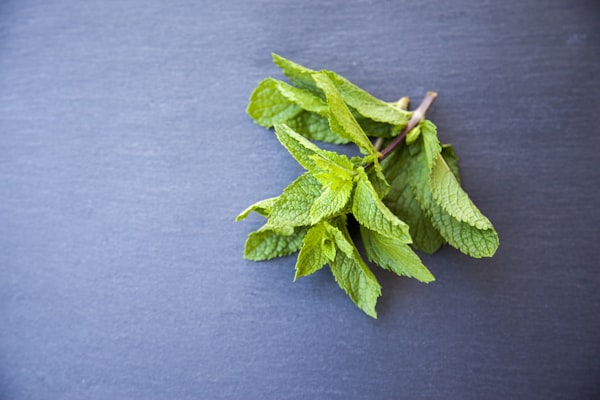
Peppermint Oil
Mentha × piperita
Origin: USA, India, Mediterranean
Peppermint oil is a vibrant, intensely aromatic essential oil derived from the Mentha × piperita plant, a natural hybrid of watermint and spearmint. Known for its high menthol content and characteristic cooling sensation, it is one of the most widely used essential oils for headache relief, digestive comfort, and mental focus.
Benefits
Headache & Migraine Relief
Peppermint oil is one of the most studied essential oils for headache relief. A clinical trial published in Cephalalgia (the journal of the International Headache Society) found that applying a 10% peppermint oil solution to the forehead and temples was as effective as 1,000 mg of paracetamol (acetaminophen) for reducing tension headache intensity.
The menthol in peppermint oil is thought to help relax muscles and improve blood flow when applied topically, which may contribute to its headache-relieving effects. A separate study found that peppermint oil inhalation may also help reduce migraine severity and nausea.
Digestive Aid
Peppermint oil has a long history of use for digestive complaints. Enteric-coated peppermint oil capsules are an established treatment in many countries for irritable bowel syndrome (IBS). A meta-analysis published in BMC Complementary Medicine and Therapies found that peppermint oil was significantly more effective than placebo at reducing overall IBS symptoms, abdominal pain, and bloating.
The menthol in peppermint oil may help relax smooth muscle in the gastrointestinal tract, which can help relieve spasms, bloating, and gas. It is also traditionally used for nausea relief — inhaling the scent may help settle the stomach during travel or morning sickness.
Energy & Mental Focus
The sharp, invigorating scent of peppermint oil is associated with improved alertness and cognitive performance. A study published in the International Journal of Neuroscience found that peppermint aroma enhanced memory, alertness, and processing speed in study participants. Diffusing peppermint oil during work or study sessions is a popular natural alternative to caffeine for an energy boost.
Muscle & Joint Pain
Menthol, which constitutes 30–50% of peppermint oil, produces a cooling sensation on the skin that may help provide temporary relief from muscle aches and joint discomfort. Applied topically in a carrier oil, peppermint oil is traditionally used for post-exercise soreness, tension in the neck and shoulders, and minor sports injuries.
Respiratory Support
Peppermint oil's menthol content may help open the airways and make breathing feel easier. While it does not treat underlying respiratory conditions, inhaling the vapour may provide a subjective sense of nasal decongestion. It is commonly found as an ingredient in many over-the-counter chest rubs, nasal inhalers, and cough drops.
Natural Pest Repellent
Research has shown that peppermint oil may be effective at repelling certain insects and pests. A study in the Asian Pacific Journal of Tropical Biomedicine found it effective against mosquitoes, and many pest control professionals note its use as a deterrent for ants, spiders, and mice. The strong menthol scent overwhelms the sensory receptors of many small creatures.
Uses
Temple Application for Headaches
Dilute 2–3 drops of peppermint oil in a teaspoon of carrier oil. Apply a small amount to your temples, forehead, and the back of your neck using your fingertips. Massage gently in small circular motions. Avoid the eye area. This application may help within 15–30 minutes. Reapply after 2 hours if needed.
Digestive Massage
For bloating, gas, or general digestive discomfort, dilute 3–4 drops of peppermint oil in a tablespoon of carrier oil. Massage onto the abdomen in a clockwise direction (following the path of the large intestine). Apply gentle, steady pressure. This technique is traditionally used to help relieve bloating and cramping.
Diffuser for Focus & Energy
Add 3–5 drops of peppermint oil to your diffuser in your workspace or study area. The stimulating aroma may help enhance concentration, reduce mental fatigue, and improve alertness. Peppermint blends well with rosemary and lemon for a powerful focus-boosting combination. Diffuse for 30–60 minutes at a time.
Cooling Spray for Hot Weather
Make a refreshing cooling mist by combining 10 drops of peppermint oil with 100 ml of distilled water and 1 tablespoon of witch hazel in a spray bottle. Spray onto your face (eyes closed), neck, and arms for an instant cooling sensation. Keep a bottle in the refrigerator during summer for extra refreshment.
Ant & Spider Repellent
Soak cotton balls in a mixture of 10 drops of peppermint oil and 100 ml of water. Place them near entry points where ants or spiders have been seen — doorways, windowsills, cracks, and corners. Refresh every 3–5 days. You can also spray diluted peppermint oil along baseboards and around the perimeter of your home.
Post-Workout Muscle Rub
Combine 5 drops of peppermint oil with 3 drops of lavender oil in 2 tablespoons of carrier oil. Massage into sore muscles after exercise. The menthol provides a cooling sensation that may help ease discomfort, while the lavender adds calming and anti-inflammatory properties. This blend is also pleasant for a general shoulder and neck massage.
How to Use
Topical Application
Always dilute peppermint oil before applying to skin. Peppermint oil is very potent — a 2–3% dilution is standard for adults (12–18 drops per 30 ml of carrier oil). For the headache temple application, a lower amount (2–3 drops in a teaspoon of carrier oil) is sufficient. Avoid applying to broken skin, near the eyes, or on mucous membranes.
Diffuser
Add 3–5 drops to your diffuser. Peppermint is a strong oil, so fewer drops are needed compared to gentler oils like lavender. Diffuse in 30–60 minute intervals in a well-ventilated room. Peppermint blends well with eucalyptus (for respiratory support), rosemary (for focus), and lemon (for energy).
Inhalation
For quick relief from nausea or to boost alertness, place 1–2 drops on a tissue and inhale. Alternatively, add 2–3 drops to a bowl of steaming water and inhale the vapour with a towel over your head for respiratory comfort. Keep your face at least 30 cm from the water and close your eyes.
Internal Use — Only Specific Preparations
Do not ingest peppermint essential oil directly. While enteric-coated peppermint oil capsules are available as over-the-counter supplements for IBS in many countries, these are specially formulated preparations — not the same as adding drops of essential oil to water or food. Standard peppermint essential oil should be used for aromatic and topical purposes only.
In a Carrier Oil Roller
For convenient on-the-go use, prepare a roller bottle: add 10–15 drops of peppermint oil to a 10 ml roller bottle and fill with fractionated coconut oil. Roll onto temples for headaches, wrists for an energy boost, or the back of the neck for cooling relief. This gives approximately a 5% dilution suitable for targeted, short-term adult use.
Safety & Side Effects
Potency & Dilution
Peppermint oil is very potent and must always be diluted for topical use. Undiluted peppermint oil can cause a strong burning or stinging sensation, especially on sensitive skin. The high menthol content (30–50%) makes it one of the more intense essential oils. Always dilute to 2–3% in a carrier oil for adults, and even less for sensitive individuals.
Eye Safety
Keep peppermint oil well away from the eyes. Even diluted peppermint oil applied near the eyes can cause intense stinging and watering. If peppermint oil accidentally contacts the eyes, flush immediately with a carrier oil (not water, which can spread the oil). Seek medical attention if irritation persists.
Children
Do not use peppermint oil on or near children under 6 years old. The high menthol content can potentially cause breathing difficulties or laryngospasm (involuntary closure of the airway) in young children. For children aged 6–10, use only in a diffuser at low concentration (1–2 drops) or at a very low topical dilution (0.5%). Never apply near a child's face.
Medication Interactions
Peppermint oil may interact with certain medications. It can potentially affect how the liver metabolises some drugs, including cyclosporine and certain statins. Peppermint oil may also reduce the effectiveness of antacids and increase the absorption of certain medications. Consult your healthcare provider if you take prescription medications regularly.
Pregnancy
Pregnant women should exercise caution with peppermint oil. While occasional use in a diffuser is generally considered acceptable, topical use should be limited and avoided during the first trimester. High doses of menthol are theoretically associated with uterine stimulation. Consult your midwife or obstetrician before regular use during pregnancy.
Gastroesophageal Reflux
Peppermint oil can relax the lower oesophageal sphincter, potentially worsening symptoms of acid reflux (GERD/GORD) or heartburn. If you experience reflux symptoms, avoid using peppermint oil in ways that could be inadvertently ingested, and consider avoiding inhalation during or immediately after meals.
DIY Recipes
Headache Relief Roller
Ingredients:
- 10 drops peppermint essential oil
- 5 drops lavender essential oil
- Fractionated coconut oil (to fill)
- 1 × 10 ml glass roller bottle
Instructions:
- Add the essential oils to the roller bottle.
- Fill the remainder with fractionated coconut oil, leaving a small gap at the top.
- Insert the roller ball and cap securely.
- Roll onto temples, forehead, and the back of the neck at the onset of a headache.
- Massage gently with fingertips. Reapply after 2 hours if needed.
This roller is convenient for handbags, desks, and travel. The combination of peppermint (cooling, analgesic) and lavender (calming, anti-inflammatory) is one of the most popular blends for tension headaches. Not suitable for children under 10.
Energising Shower Steamers
Ingredients:
- 1 cup baking soda
- 1/3 cup citric acid
- 1 tablespoon water (in a spray bottle)
- 15 drops peppermint essential oil
- 10 drops eucalyptus essential oil
- Silicone mould or muffin tin
Instructions:
- Mix the baking soda and citric acid in a bowl.
- Add the essential oils and stir to distribute evenly.
- Spray the water lightly over the mixture, 1–2 spritzes at a time, mixing continuously. The mixture should hold together when squeezed but not fizz.
- Press firmly into moulds.
- Allow to dry and harden for 24–48 hours.
- To use, place one steamer on the shower floor (not in the direct stream of water). The steam will release the invigorating aroma.
Makes 4–6 steamers depending on mould size. Store in an airtight container. Use within 3 months for the strongest scent.
Cooling Peppermint Foot Soak
Ingredients:
- 1/2 cup Epsom salt
- 1/4 cup baking soda
- 5 drops peppermint essential oil
- 3 drops tea tree essential oil
- Basin of warm water
Instructions:
- Mix the Epsom salt, baking soda, and essential oils in a small bowl.
- Fill a basin with comfortably warm water.
- Add the salt mixture and stir to dissolve.
- Soak feet for 15–20 minutes.
- Dry thoroughly, especially between toes.
This soak provides a cooling, refreshing sensation for tired or aching feet. The tea tree oil adds antifungal support, making it particularly useful for people prone to athlete's foot. Ideal after a long day of standing or walking.
Frequently Asked Questions
Is peppermint oil good for headaches?
Can peppermint oil help with digestion?
Is peppermint oil safe for children?
Can you ingest peppermint essential oil?
Does peppermint oil repel mice and insects?
Can peppermint oil be used during pregnancy?
What is the difference between peppermint oil and peppermint extract?
Stay Updated
Get the latest essential oil guides, DIY recipes, and wellness tips delivered to your inbox.
No spam. Unsubscribe anytime.