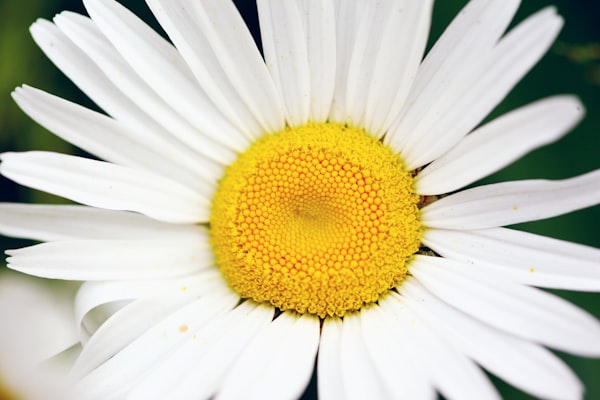
Ylang Ylang Oil
Cananga odorata
Origin: Madagascar, Philippines, Indonesia, Comoros
Ylang ylang oil is an intensely fragrant essential oil steam-distilled from the fresh flowers of the Cananga odorata tree, native to tropical Southeast Asia. Its name means "flower of flowers" in Malay, and the oil has been prized for centuries in perfumery, hair care, and traditional medicine. The distillation yields several grades — Extra, I, II, and III — with Extra being the most prized for its rich, sweet floral aroma.
Benefits
Blood Pressure & Heart Rate Reduction
Ylang ylang oil has been studied for its potential cardiovascular effects. A study published in Phytotherapy Research found that inhaling ylang ylang oil, combined with topical application, significantly reduced blood pressure and pulse rate in healthy volunteers compared to a control group. A separate study in the Journal of Exercise Rehabilitation reported similar findings, suggesting that ylang ylang may help activate the parasympathetic nervous system, promoting a state of calm.
Anxiety & Mood Enhancement
Research published in the International Journal of Neuroscience found that ylang ylang oil aromatherapy increased feelings of calmness and reduced stress markers in participants. Its rich, exotic floral scent is traditionally associated with relaxation, mood uplift, and emotional balance. It is frequently used in aromatherapy practices to help address nervous tension, irritability, and restlessness.
Skin & Hair Care
Ylang ylang oil has been traditionally used in Southeast Asia for skin and hair care. It may help regulate sebum production, making it potentially beneficial for both oily and dry skin types. In the Philippines and Indonesia, ylang ylang flowers have been used for centuries as a hair treatment, and the oil is still a popular ingredient in natural shampoos and conditioners for promoting shine and managing scalp health.
Natural Aphrodisiac
Ylang ylang has a long history of traditional use as an aphrodisiac across Southeast Asian cultures. In Indonesia, ylang ylang flowers are traditionally scattered on the beds of newlyweds. While scientific evidence is limited, research in the Journal of Sexual Medicine suggested that certain plant fragrances, including floral scents, may influence mood and arousal. Its rich, sweet fragrance makes it a popular choice for creating a romantic atmosphere.
Anti-Inflammatory Potential
Preliminary research suggests that ylang ylang oil may possess anti-inflammatory properties. A study published in the Journal of Natural Medicines found that components of ylang ylang oil inhibited the production of nitric oxide, a marker of inflammation, in laboratory models. This may contribute to its traditional use for soothing irritated skin and scalp conditions.
Antioxidant Activity
Research has indicated that ylang ylang oil contains compounds with antioxidant properties, including linalool and geranyl acetate. These compounds may help protect against oxidative stress at the cellular level. While the antioxidant effects are primarily of interest in cosmetic formulations, they add to the oil's overall therapeutic profile.
Uses
Romantic & Relaxing Diffuser Blend
Add 3–4 drops of ylang ylang oil to your diffuser for a luxurious, calming atmosphere. Its rich floral scent pairs beautifully with bergamot (3 drops) and sandalwood (2 drops) for a sophisticated evening blend. Ylang ylang is a strong scent, so use sparingly — too many drops can become overwhelming or cause headaches.
Hair Conditioning Treatment
Add 3–5 drops of ylang ylang oil to 2 tablespoons of coconut oil. Warm slightly in your hands and massage through the lengths and ends of your hair. Leave for 30 minutes or overnight (with a towel on the pillow), then shampoo thoroughly. This treatment may help add shine, reduce frizz, and nourish dry or damaged hair.
Facial Oil for Sebum Balance
Add 2 drops of ylang ylang oil to 30 ml of jojoba oil for a facial oil that may help balance sebum production. Jojoba closely mimics the skin's natural oils, and the addition of ylang ylang may help regulate oiliness. Apply 3–4 drops to clean skin in the evening. This blend is particularly suited to combination and oily skin types.
Stress-Relief Bath
Combine 5–6 drops of ylang ylang oil with a tablespoon of carrier oil or a cup of Epsom salt before adding to a warm bath. The enveloping floral aroma creates a deeply relaxing bathing experience that may help reduce stress and promote emotional wellbeing.
Natural Perfume
Ylang ylang is a staple in natural perfumery and is a key note in many iconic fragrances, including Chanel No. 5. Create a simple natural perfume by blending 5 drops of ylang ylang with 3 drops of bergamot and 2 drops of vanilla absolute in 10 ml of jojoba oil in a roller bottle. Apply to pulse points — wrists, behind the ears, and at the base of the throat.
Scalp Massage for Hair Health
Blend 3 drops of ylang ylang oil with 2 drops of rosemary oil in 1 tablespoon of coconut or argan oil. Massage into the scalp using your fingertips for 3–5 minutes before shampooing. Regular scalp massage with essential oils may help promote circulation and support a healthy scalp environment.
How to Use
Diffuser
Add 3–4 drops of ylang ylang oil to your diffuser. Because of its intense, heady aroma, start with fewer drops than you might use for lighter oils. Diffuse for 30–60 minutes. Ylang ylang blends well with bergamot, sandalwood, lavender, geranium, and cedarwood for balanced, complex blends.
Topical Application
Dilute ylang ylang oil to 2–3% concentration for adults (12–18 drops per 30 ml of carrier oil). For facial use, reduce to 1% (6 drops per 30 ml). Ylang ylang is generally well tolerated on the skin when properly diluted. Suitable carrier oils include jojoba, sweet almond, coconut, and argan oil. Perform a patch test before first use.
In Hair Care Products
Add 5–10 drops of ylang ylang oil to your regular shampoo or conditioner bottle (250 ml). Shake well before each use. Alternatively, add 2–3 drops to a tablespoon of carrier oil for a pre-wash hair mask. These methods offer a convenient way to incorporate ylang ylang's hair-nourishing properties into your daily routine.
Personal Inhaler
For on-the-go stress relief, add 5–8 drops of ylang ylang oil to a personal aromatherapy inhaler. Inhale as needed during stressful moments. This provides a discreet way to benefit from ylang ylang's calming properties at work, during travel, or in social situations.
Safety & Side Effects
Headaches & Nausea
Ylang ylang has a very strong aroma that can cause headaches or nausea if used in excess. Always start with fewer drops than recommended and increase gradually. If you experience a headache while diffusing ylang ylang, switch off the diffuser immediately and ventilate the room. People who are sensitive to strong fragrances should use this oil with particular caution.
Skin Sensitivity
While ylang ylang oil is generally well tolerated, some individuals may experience skin sensitisation, particularly with repeated use. Always dilute to 2–3% in a carrier oil for topical use. Perform a patch test on the inside of your forearm and wait 24 hours before applying more broadly. Discontinue use if irritation occurs.
Blood Pressure Considerations
Due to its potential blood-pressure-lowering effects, people with low blood pressure (hypotension) or those taking antihypertensive medications should use ylang ylang oil with caution. If you experience dizziness or lightheadedness after use, discontinue and consult your healthcare provider.
Pregnancy
Ylang ylang oil is generally considered safe for use during pregnancy when used in moderation via diffusion or low-concentration topical application after the first trimester. However, as with all essential oils during pregnancy, consult your midwife or obstetrician before use.
Children & Pets
Ylang ylang oil should be used with caution around young children — dilute heavily (0.5–1%) and use only for short periods via diffusion for children aged 2 and older. As with most essential oils, exercise caution around pets, particularly cats, which are sensitive to many aromatic compounds. Ensure adequate ventilation when diffusing.
DIY Recipes
Ylang Ylang Hair Shine Serum
A nourishing hair treatment to add shine, reduce frizz, and promote healthy-looking hair.
Ingredients:
- 30 ml argan oil
- 5 drops ylang ylang essential oil
- 3 drops lavender essential oil
- 2 drops rosemary essential oil
- 1 small dark glass dropper bottle (30 ml)
Instructions:
- Add the argan oil to the dropper bottle.
- Add the essential oils and swirl gently to mix.
- Apply 3–5 drops to damp hair, focusing on the mid-lengths and ends.
- Style as usual. Can also be used as an overnight treatment on dry hair.
- Store in a cool, dark place. Use within 3 months.
Romantic Massage Oil
A luxurious, sensual massage blend with warm floral and woody notes.
Ingredients:
- 30 ml sweet almond oil
- 4 drops ylang ylang essential oil
- 3 drops sandalwood essential oil
- 2 drops bergamot essential oil
- 1 small dark glass bottle
Instructions:
- Add the sweet almond oil to the bottle.
- Add the essential oils and swirl gently to combine.
- Warm a small amount between your palms before applying.
- Massage with long, flowing strokes.
- Store away from sunlight. Use within 2 months.
Note: Bergamot oil is phototoxic — avoid sun exposure on treated skin for 12–18 hours after use.
Calming Floral Bath Salts
A beautifully fragrant bath soak to melt away stress and promote relaxation.
Ingredients:
- 1 cup Epsom salt
- 1/2 cup Dead Sea salt or Himalayan pink salt
- 5 drops ylang ylang essential oil
- 4 drops lavender essential oil
- 1 tablespoon jojoba oil
- Dried rose petals (optional, for decoration)
Instructions:
- Mix the salts together in a bowl.
- Combine the essential oils with the jojoba oil in a separate dish.
- Pour the oil mixture over the salts and stir thoroughly.
- Add dried rose petals if desired and mix gently.
- Add 4–5 tablespoons to a warm running bath.
- Store the remainder in an airtight glass jar for up to 1 month.
Frequently Asked Questions
What does ylang ylang oil smell like?
Is ylang ylang oil good for hair?
Can ylang ylang oil lower blood pressure?
What does ylang ylang blend well with?
Is ylang ylang oil safe during pregnancy?
What are the different grades of ylang ylang oil?
Can ylang ylang oil cause headaches?
Stay Updated
Get the latest essential oil guides, DIY recipes, and wellness tips delivered to your inbox.
No spam. Unsubscribe anytime.