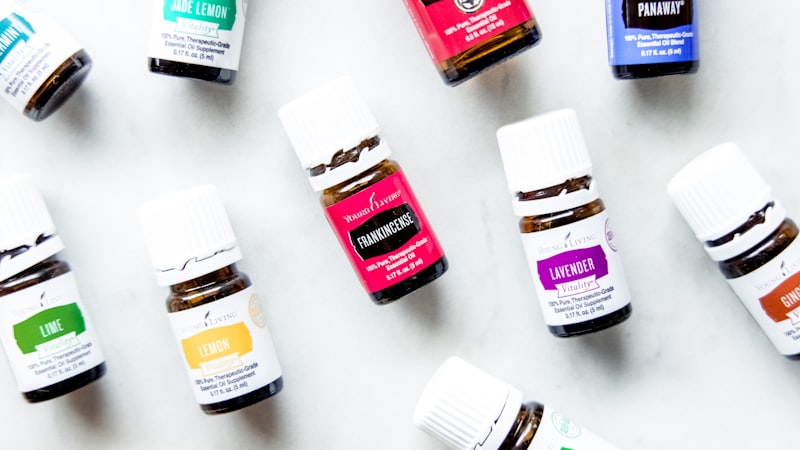
Essential Oils for Beginners: A Complete Getting Started Guide
What Are Essential Oils?
Essential oils are concentrated, volatile aromatic compounds extracted from plants — their flowers, leaves, bark, roots, seeds, or fruit rinds. Despite the name, they are not oily in the way cooking oils are; they are lightweight, evaporate quickly, and carry the characteristic scent (or "essence") of the plant from which they are derived. A single drop of essential oil can represent the aromatic compounds of an enormous quantity of plant material: it takes roughly 30 kg of lavender flowers to produce just 15 ml of lavender essential oil.
Humans have used aromatic plant extracts for thousands of years. Ancient Egyptians employed cedarwood and myrrh in embalming, Indian Ayurvedic medicine has relied on aromatic plants for over 3,000 years, and Traditional Chinese Medicine has long incorporated camphor and other plant aromatics. The modern practice of aromatherapy was formalised in the early 20th century by the French chemist Rene-Maurice Gattefosse, who studied the therapeutic properties of lavender oil after using it on a burn.
How Essential Oils Are Made
The method of extraction determines the quality, chemical composition, and price of an essential oil. Understanding these methods helps you make informed purchasing decisions.
Steam Distillation
Steam distillation is the most common extraction method and is used for the vast majority of essential oils, including eucalyptus, lavender, tea tree, and peppermint. Plant material is placed in a still, and pressurised steam is passed through it. The heat causes the aromatic compounds to vaporise, and the steam carries them into a condensation chamber. As the vapour cools, it separates into two layers: the essential oil floats on top of the hydrosol (floral water). The oil is then collected. This method preserves the chemical integrity of most plant compounds when performed correctly.
Cold Pressing (Expression)
Cold pressing is used almost exclusively for citrus oils — lemon, orange, grapefruit, lime, and bergamot. The rinds of citrus fruits are mechanically pressed or punctured to release the oil contained in tiny sacs just beneath the surface. No heat is involved, which preserves the fresh, bright aroma of citrus oils. Because this method does not use heat, cold-pressed citrus oils retain certain compounds (such as furanocoumarins in bergamot) that can cause phototoxic reactions on the skin when exposed to UV light.
CO2 Extraction
Supercritical carbon dioxide (CO2) extraction is a newer, more expensive method that uses pressurised carbon dioxide as a solvent. At specific temperatures and pressures, CO2 behaves like both a liquid and a gas, efficiently dissolving aromatic compounds from plant material. When the pressure is released, the CO2 evaporates completely, leaving behind a pure extract. CO2 extracts are often considered closer in scent to the living plant than steam-distilled oils, and they may contain a broader spectrum of plant compounds. Frankincense, turmeric, and vanilla are commonly available as CO2 extracts.
Key Terminology Every Beginner Should Know
Carrier oil — A vegetable-based oil (such as jojoba, sweet almond, or coconut oil) used to dilute essential oils before applying them to the skin. Carrier oils "carry" the essential oil onto the skin while reducing the risk of irritation. They do not evaporate like essential oils and are generally mild with little or no scent.
Neat — Applying an essential oil undiluted, directly to the skin. This practice is generally discouraged by qualified aromatherapists, as it increases the risk of skin sensitisation, irritation, and allergic reactions. Even gentle oils like lavender should ideally be diluted.
Dilution — The process of mixing essential oil with a carrier oil to reduce its concentration to a safe level. Dilution is expressed as a percentage. A 2% dilution (the standard adult recommendation) means approximately 12 drops of essential oil per 30 ml of carrier oil.
Top notes — Essential oils that evaporate quickly and are the first scents you detect in a blend. They tend to be light, fresh, and uplifting. Examples include lemon, peppermint, and eucalyptus. Top notes typically last 1–2 hours.
Middle notes (heart notes) — These form the body of a blend, emerging after the top notes fade. They are generally warm, rounded, and balanced. Examples include lavender, rosemary, and tea tree. Middle notes last 2–4 hours.
Base notes — Heavy, deep, and long-lasting scents that anchor a blend and slow the evaporation of lighter oils. Examples include sandalwood, cedarwood, and vetiver. Base notes can last 24 hours or more on the skin.
Diffuser — A device that disperses essential oil molecules into the air. The most common types are ultrasonic diffusers (which use water and vibration), nebulising diffusers (which use air pressure without water), and passive diffusers (reed sticks or clay pendants).
GC/MS testing — Gas chromatography/mass spectrometry testing is a laboratory analysis that identifies the individual chemical compounds in an essential oil. Reputable suppliers provide GC/MS reports to verify purity and composition. This is one of the best indicators of a quality oil.
The 10 Best Essential Oils for Beginners
If you are new to essential oils, these ten are an excellent starting point. They are widely available, well-researched, versatile, and relatively affordable.
1. Lavender (Lavandula angustifolia) — The most versatile essential oil and a must-have for any collection. Renowned for promoting relaxation and sleep, soothing minor skin irritations, and relieving stress. Clinical research supports its use for anxiety and sleep quality. It blends well with almost every other oil.
2. Peppermint (Mentha × piperita) — Intensely refreshing and energising. Clinically studied for tension headache relief — a 10% peppermint oil solution applied to the temples was found to be as effective as paracetamol. Also useful for digestive comfort, mental focus, and as a natural pest deterrent.
3. Tea Tree (Melaleuca alternifolia) — A powerful natural antiseptic with strong antibacterial and antifungal properties. Well-researched for acne treatment, wound care, dandruff, and household disinfection. A staple for natural skin care and cleaning.
4. Eucalyptus (Eucalyptus globulus) — The go-to oil for respiratory support. Its primary compound, eucalyptol (1,8-cineole), helps relieve nasal congestion and supports clear breathing. Also excellent for muscle pain relief and household cleaning.
5. Lemon (Citrus limon) — A bright, cheerful citrus oil that is uplifting and energising. Excellent for natural cleaning products due to its degreasing properties and fresh scent. Also useful for mood enhancement and air purification. Note: cold-pressed lemon oil is phototoxic, so avoid sun exposure after topical application.
6. Rosemary (Salvia rosmarinus) — A stimulating, herbaceous oil associated with memory and concentration. Research published in Therapeutic Advances in Psychopharmacology found that rosemary aroma may improve cognitive performance. Useful for hair care, muscle pain, and respiratory support.
7. Frankincense (Boswellia carterii) — A warm, resinous oil with a rich history in spiritual and meditative practices. Valued for its calming properties and potential skin-rejuvenating benefits. It pairs beautifully with lavender and citrus oils. Often used in meditation and yoga practice.
8. Chamomile, Roman (Chamaemelum nobile) — A gentle, soothing oil particularly suited for sensitive skin and relaxation. Traditionally used for calming irritability, soothing skin inflammation, and promoting restful sleep. One of the gentler oils, making it suitable for use around older children when properly diluted.
9. Ylang-Ylang (Cananga odorata) — An intensely floral, exotic oil with a rich, sweet aroma. Traditionally used to promote relaxation, reduce nervous tension, and support a positive mood. A little goes a long way — use sparingly in blends. It is a classic base/middle note in perfumery.
10. Cedarwood (Cedrus atlantica) — A warm, woody oil that is grounding and calming. Useful as a base note in blends, for promoting relaxation before sleep, and for natural moth repellence in wardrobes. It has a long shelf life and is very affordable, making it ideal for beginners.
Basic Safety Rules for Essential Oil Use
Essential oils are potent, concentrated substances that deserve respect. Following these fundamental safety rules will help you enjoy their benefits while minimising risk.
- Always dilute essential oils in a carrier oil before applying to the skin. A 2% dilution (approximately 12 drops per 30 ml of carrier oil) is the standard adult recommendation.
- Never ingest essential oils unless under the direct supervision of a qualified healthcare professional. Many essential oils are toxic when swallowed.
- Perform a patch test before using any new essential oil topically. Apply a small amount of diluted oil to the inside of your forearm and wait 24 hours to check for a reaction.
- Keep all essential oils out of the reach of children. Even small quantities can cause serious harm if ingested by a child.
- Avoid contact with the eyes, inner ears, and mucous membranes. If essential oil contacts the eyes, flush with a carrier oil (not water) and seek medical advice if irritation persists.
- Store essential oils in dark glass bottles in a cool, dark place. Heat, light, and oxygen degrade oils over time, increasing the risk of skin reactions.
- Pregnant and breastfeeding women should consult a healthcare provider before using essential oils. Some oils are contraindicated during pregnancy.
- If you take prescription medications, consult your doctor before using essential oils regularly, as some oils may interact with certain drugs.
- Do not use essential oils on pets without veterinary guidance. Cats, in particular, lack key liver enzymes to metabolise many essential oil compounds.
- Less is more. Essential oils are highly concentrated — using too much increases the risk of adverse effects without providing additional benefit.
Building Your Essential Oil Starter Kit
You do not need dozens of oils to get started. A well-chosen kit of five to six oils, combined with a couple of carrier oils and a basic diffuser, will cover a wide range of everyday needs.
Recommended starter oils (pick five or six):
- Lavender — relaxation, sleep, skin care, stress relief
- Peppermint — headaches, energy, digestion, cooling
- Tea tree — antiseptic, acne, cleaning, first aid
- Eucalyptus — congestion, respiratory support, muscle pain
- Lemon — cleaning, mood, deodorising, energy
- Frankincense or cedarwood — grounding, meditation, blending
Essential carrier oils:
- Jojoba oil — lightweight, long shelf life, suitable for face and body, closely resembles the skin's natural sebum
- Fractionated coconut oil — odourless, very lightweight, stays liquid at room temperature, excellent for roller bottles
- Sweet almond oil — affordable, mild, nourishing, good all-purpose carrier oil for massage and body blends
Useful accessories:
- An ultrasonic diffuser — the most popular and affordable type for home use
- Dark glass bottles (10 ml and 30 ml) — for storing diluted blends and roller bottle preparations
- A set of glass dropper pipettes — for accurate measurement
- A small notebook — to record your blends, dilutions, and personal reactions to different oils
When purchasing essential oils, look for brands that provide the botanical name, country of origin, extraction method, and GC/MS test results. Avoid products labelled "fragrance oil" or "perfume oil" — these are synthetic and do not have the same properties as genuine essential oils.
Common Essential Oil Myths Debunked
Myth: Essential oils are completely natural and therefore completely safe.
Reality: While essential oils are derived from plants, "natural" does not mean "harmless." Essential oils are highly concentrated chemical compounds. Undiluted oils can cause skin burns, sensitisation, and allergic reactions. Some are toxic to the liver, kidneys, or nervous system if ingested. They must be used with knowledge and care, just like any other potent substance.
Myth: If an oil is "therapeutic grade," it is safe to ingest.
Reality: There is no regulatory body that certifies or defines "therapeutic grade." This term is a marketing label created by essential oil companies and does not guarantee purity, quality, or safety for internal use. Ingesting essential oils carries real risks and should only be done under qualified medical supervision.
Myth: You should apply essential oils neat (undiluted) for maximum benefit.
Reality: Applying undiluted essential oils to the skin significantly increases the risk of irritation, sensitisation, and long-term allergic reactions. Research consistently shows that properly diluted oils are effective — dilution does not diminish therapeutic benefits but does reduce risk. The International Federation of Aromatherapists recommends against routine neat application.
Myth: If an essential oil causes a skin reaction, it means your body is "detoxing."
Reality: A skin reaction to an essential oil — redness, itching, burning, blistering — is a sign of irritation or an allergic response, not detoxification. Discontinue use immediately, wash the area with soap and water, and apply a carrier oil to soothe irritation. If symptoms persist, consult a healthcare professional. Essential oils do not cause "detox" reactions.
Myth: More expensive oils are always better.
Reality: Price can reflect rarity, yield, or sourcing difficulty (rose oil is expensive because it takes thousands of petals to produce a small quantity), but a high price does not automatically guarantee quality. Equally, very cheap oils may be adulterated or synthetic. The best indicator of quality is independent GC/MS testing, transparent sourcing, and a reputable supplier — not the price tag alone.
Myth: Essential oils can cure diseases.
Reality: While research shows that some essential oils have genuine therapeutic properties — anti-inflammatory, antimicrobial, anxiolytic — they are not a substitute for medical treatment. No essential oil has been proven to cure cancer, diabetes, or other serious diseases. They can be a valuable complement to conventional healthcare, but claims of curing serious illness are unfounded and potentially dangerous.
Getting Started: Your First Steps
Beginning your essential oil journey does not require a large investment or extensive knowledge. Start with a few versatile oils, a good carrier oil, and a basic diffuser. Learn proper dilution ratios, always patch test before topical use, and take the time to research each new oil before using it. As your experience grows, you will develop a personal understanding of which oils work best for you and how to blend them effectively.
For detailed information on specific oils, explore our individual oil guides for eucalyptus, lavender, tea tree, peppermint, and more. And for a deeper understanding of application methods, see our comprehensive guide on how to use essential oils.
Frequently Asked Questions
What are the best essential oils for beginners?
Are essential oils safe to use?
Do I need to dilute essential oils before putting them on my skin?
What is a carrier oil and why do I need one?
Can I ingest essential oils?
How do I know if an essential oil is good quality?
What is the difference between essential oils and fragrance oils?
How should I store my essential oils?
Stay Updated
Get the latest essential oil guides, DIY recipes, and wellness tips delivered to your inbox.
No spam. Unsubscribe anytime.