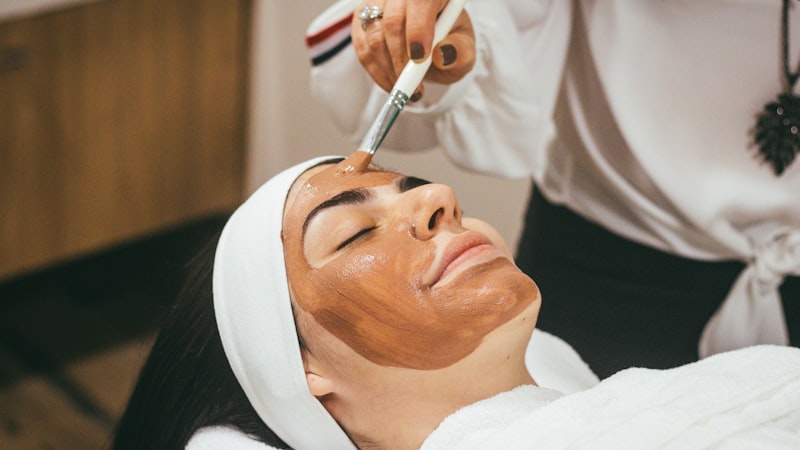
Natural Skin Care Remedies
Introduction
The skin is the body's largest organ, and caring for it naturally has been a practice spanning thousands of years across every culture. From the botanical preparations of ancient Egypt to the Ayurvedic traditions of India, plant-based skin care has a rich and enduring history. Today, a growing body of scientific research is validating what traditional practitioners have long observed: certain essential oils and plant-derived ingredients possess remarkable properties that can support skin health, address common concerns, and enhance the skin's natural radiance.
This guide explores evidence-based natural approaches to skin care using essential oils, carrier oils, and herbal preparations. Whether you are managing acne, seeking anti-ageing support, or simply looking for a more natural approach to daily skin care, these remedies offer a gentle yet effective alternative to synthetic formulations.
Medical disclaimer: The information in this article is for educational purposes only. Skin conditions can have underlying medical causes requiring professional diagnosis. Always perform a patch test before using any new product on your skin, and consult a dermatologist for persistent or severe skin concerns.
Essential Oils for Different Skin Types
Choosing the right essential oil for your skin type is crucial for achieving the best results and avoiding irritation. Here is a guide to matching essential oils with common skin types.
Oily and Acne-Prone Skin
Tea tree oil is the gold standard natural remedy for acne-prone skin. A landmark study published in the Medical Journal of Australia found that a 5% tea tree oil gel was as effective as 5% benzoyl peroxide for reducing acne lesions, with significantly fewer side effects. Tea tree oil's active compound, terpinen-4-ol, combats Cutibacterium acnes — the bacterium primarily responsible for inflammatory acne.
Other beneficial oils for oily skin include geranium oil (which may help balance sebum production), clary sage oil (traditionally used to regulate oiliness), and lemon oil (which has astringent properties but must not be used before sun exposure due to phototoxicity).
Dry and Sensitive Skin
Lavender oil is an excellent choice for dry and sensitive skin due to its gentle, soothing properties. Its anti-inflammatory effects may help calm redness and irritation, while its wound-healing properties support the skin's natural repair processes. Chamomile oil (both Roman and German varieties) is another outstanding option — the compound bisabolol found in German chamomile has demonstrated significant anti-inflammatory and skin-soothing effects in clinical studies.
Rose oil and sandalwood oil are also traditionally prized for dry skin care. Rose oil has demonstrated moisturising and barrier-protective properties in dermatological research, while sandalwood has been used in Ayurvedic skin care for centuries.
Mature and Ageing Skin
Frankincense oil (Boswellia) is one of the most highly valued essential oils for mature skin. Research published in the Journal of Traditional and Complementary Medicine has identified boswellic acids as potent anti-inflammatory compounds, and in vitro studies suggest that frankincense oil may help support collagen production and skin cell regeneration.
Rosehip seed oil (a carrier oil rather than an essential oil) is perhaps the most well-researched botanical for anti-ageing. A clinical study published in Clinical Interventions in Aging found that rosehip powder supplementation improved skin elasticity and reduced wrinkle depth. Carrot seed oil, pomegranate seed oil, and neroli oil are also traditionally used for mature skin care.
Carrier Oil Selection by Skin Type
Carrier oils are essential for diluting essential oils before topical application. Different carrier oils offer different properties and are suited to different skin types.
For oily and acne-prone skin:
- Jojoba oil — closely resembles the skin's natural sebum; non-comedogenic; helps regulate oil production
- Grapeseed oil — lightweight, easily absorbed; rich in linoleic acid, which is often deficient in acne-prone skin
- Hemp seed oil — non-comedogenic; anti-inflammatory; high in omega fatty acids
For dry and sensitive skin:
- Sweet almond oil — deeply moisturising; rich in vitamin E; gentle enough for sensitive skin
- Avocado oil — thick and nourishing; rich in oleic acid; excellent for very dry skin
- Argan oil — fast-absorbing; rich in vitamin E and antioxidants; strengthens the skin barrier
For mature skin:
- Rosehip seed oil — rich in vitamins A and C; clinically shown to improve skin elasticity and reduce wrinkles
- Pomegranate seed oil — rich in punicic acid; potent antioxidant properties; supports skin cell regeneration
- Marula oil — rich in antioxidants and oleic acid; deeply hydrating; fast-absorbing
DIY Facial Serum Recipes
Acne-Fighting Serum
Ingredients:
- 30 ml jojoba oil
- 4 drops tea tree essential oil
- 3 drops lavender essential oil
- 2 drops geranium essential oil
- 1 dark glass dropper bottle (30 ml)
Instructions:
- Add the jojoba oil to the dropper bottle.
- Add the essential oils one at a time.
- Secure the lid and roll gently between your palms to mix (do not shake vigorously).
- Apply 3–4 drops to clean, damp skin in the evening. Gently press into the skin with your fingertips.
- Allow to absorb for 5 minutes before applying moisturiser if desired.
- Use within 3 months. Store in a cool, dark place.
Anti-Ageing Serum
Ingredients:
- 15 ml rosehip seed oil
- 15 ml argan oil
- 3 drops frankincense essential oil
- 2 drops lavender essential oil
- 2 drops geranium essential oil
- 1 drop carrot seed essential oil
- 1 dark glass dropper bottle (30 ml)
Instructions:
- Combine the carrier oils in the dropper bottle.
- Add the essential oils.
- Gently roll to mix.
- Apply 4–5 drops to clean skin morning and evening. Focus on areas of concern such as around the eyes, forehead, and nasolabial folds.
- Gently massage in upward motions.
- Use within 3 months for maximum potency.
General Skin Care Tips
- Always cleanse your skin before applying serums or essential oil blends.
- Apply products to slightly damp skin for better absorption.
- Perform a patch test with any new product — apply a small amount to the inside of your forearm and wait 24 hours.
- Use sunscreen daily, as some essential oils (particularly citrus oils) can increase photosensitivity.
- Be patient — natural skin care works gradually. Allow at least 4–6 weeks before assessing results.
- Keep your blends in dark glass bottles away from heat and sunlight to prevent oxidation.
- Less is more — you do not need many drops; 3–5 drops of a facial serum is typically sufficient.
Frequently Asked Questions
Which essential oil is best for acne?
Can essential oils help with wrinkles?
Which carrier oil is best for oily skin?
Is it safe to apply essential oils directly to the face?
How long does it take for natural skin care to show results?
Can essential oils cause skin irritation?
What essential oils should be avoided in the sun?
Can I add essential oils to my regular moisturiser?
Stay Updated
Get the latest essential oil guides, DIY recipes, and wellness tips delivered to your inbox.
No spam. Unsubscribe anytime.