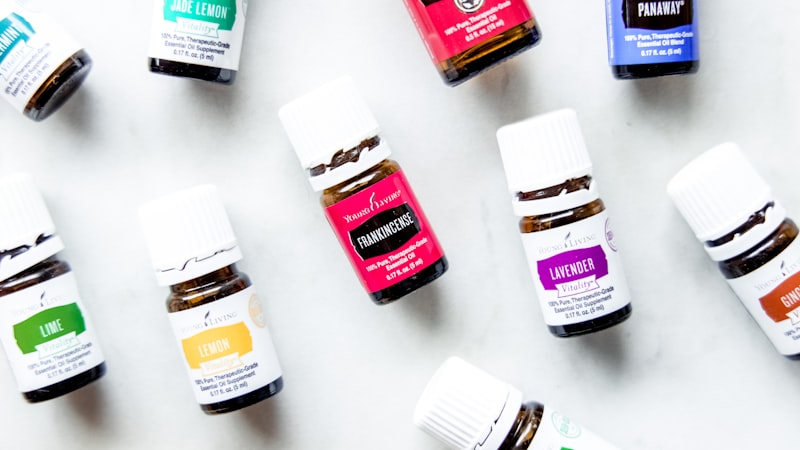
Best Essential Oil Brands: A Comprehensive Buying Guide
Introduction
The essential oil market has grown enormously over the past decade, bringing with it a flood of new brands — some excellent, others questionable. With essential oils used for everything from aromatherapy and skin care to household cleaning, choosing a reputable brand is one of the most important decisions you can make as a consumer. A low-quality or adulterated oil is not merely ineffective; it can cause skin irritation, allergic reactions, or worse.
This guide will help you understand what separates a genuinely good essential oil brand from a mediocre one, walk you through the key evaluation criteria, and highlight well-established international brands that have earned trust through transparency, testing, and consistent quality. Prices and availability may vary depending on your region and retailer.
Disclaimer: We may earn a commission from qualifying purchases made through links on this site. This does not affect our editorial independence or the price you pay.
What Makes a Quality Essential Oil Brand?
Third-Party GC/MS Testing
Gas chromatography-mass spectrometry (GC/MS) testing is the gold standard for verifying essential oil purity and composition. This laboratory analysis identifies every chemical compound in the oil and their relative percentages, confirming that the oil matches its expected chemical profile. The best brands make GC/MS reports available for every batch — either on their website or upon request. Be cautious of brands that claim to test but never share actual results.
Sourcing Transparency
Reputable brands are transparent about where their plants are grown, how the oils are extracted (steam distillation, cold pressing, CO2 extraction), and who their suppliers are. Some brands own their own farms or work with long-term partner farms, giving them greater control over quality. Look for brands that name specific countries or regions of origin on each bottle, rather than vague claims like "sourced from the finest locations".
Certifications to Look For
- USDA Organic or equivalent national organic certification — confirms the plants were grown without synthetic pesticides or fertilisers.
- ISO standards — ISO 4720 (botanical nomenclature) and various oil-specific ISO standards define acceptable chemical ranges for individual oils.
- Fair Trade certification — ensures ethical sourcing and fair compensation for farmers.
- Leaping Bunny or equivalent cruelty-free certification — confirms no animal testing.
Labelling Standards
A trustworthy essential oil label should include: the common name, the full botanical (Latin) name, the country of origin, the extraction method, the part of the plant used, the batch or lot number, and a best-before date. If any of this information is missing, it may indicate a less transparent brand. The bottle should be dark glass (amber or cobalt blue) with an orifice reducer for controlled dispensing.
Price as a Quality Indicator
While price alone does not guarantee quality, extremely cheap essential oils should raise suspicion. Producing a pure essential oil requires enormous quantities of raw plant material — for example, roughly 250 kg of lavender flowers to produce 1 kg of oil, and approximately 3,000 lemons for 1 kg of lemon oil. If a brand sells all its oils at the same price regardless of the plant source, that is a red flag, since production costs vary dramatically between oils.
Reputable International Essential Oil Brands
The following brands are well-established in the essential oil industry and are frequently recommended by aromatherapists, educators, and experienced users. Each has strengths and weaknesses, and no single brand is perfect for every buyer.
1. dōTERRA
Headquarters: Pleasant Grove, Utah, USA
Known for: CPTG (Certified Pure Tested Grade) protocol, extensive third-party testing, global sourcing initiatives.
Pros:
- Rigorous multi-stage testing protocol including GC/MS, microbial testing, and organoleptic analysis.
- Source to You programme provides batch-specific sourcing details and test reports.
- Wide product range including single oils, blends, and wellness products.
- Strong educational resources and large community of aromatherapy advocates.
Cons:
- Premium pricing — among the most expensive brands on the market.
- Sold primarily through direct sales (multi-level marketing) model, which some consumers find off-putting.
- CPTG is a trademarked term, not an independent third-party certification.
2. Young Living
Headquarters: Lehi, Utah, USA
Known for: Seed to Seal commitment, company-owned farms, one of the oldest established essential oil brands.
Pros:
- Owns and operates farms in multiple countries, providing direct oversight of growing and distillation.
- Seed to Seal programme covers sourcing, science, and standards.
- Extensive product line spanning essential oils, personal care, and cleaning products.
- Long track record in the industry (founded 1993).
Cons:
- Premium pricing comparable to dōTERRA.
- Also sold through a direct sales (MLM) model.
- Has faced regulatory scrutiny in the past regarding product claims.
- Seed to Seal is an internal programme, not an independent certification.
3. Plant Therapy
Headquarters: Twin Falls, Idaho, USA
Known for: KidSafe line, accessible pricing, and strong online retail model.
Pros:
- All oils are GC/MS tested by multiple third-party laboratories, with reports available on the website.
- KidSafe line developed with certified aromatherapist Robert Tisserand.
- Competitive pricing without the MLM markup.
- Offers USDA Organic options across many oils.
- Excellent customer service and a 90-day return policy.
Cons:
- Not as widely available offline — primarily an online brand.
- Smaller product range compared to dōTERRA and Young Living.
- Relatively newer brand (founded 2011), though well-regarded.
4. Rocky Mountain Oils
Headquarters: Orem, Utah, USA
Known for: S.A.A.F.E. Promise (Satisfaction, Authenticity, Analysis, Free of additives, Ethical sourcing).
Pros:
- GC/MS reports available for every oil on the website.
- No MLM model — sold directly to consumers.
- Competitive mid-range pricing.
- Strong commitment to sustainability and ethical sourcing.
Cons:
- Smaller brand with less international availability.
- Fewer blends and specialty products compared to larger brands.
5. Aura Cacia
Headquarters: Norway, Iowa, USA (owned by Frontier Co-op)
Known for: Wide retail availability, affordable pricing, worker-owned cooperative model.
Pros:
- Widely available in health food shops, supermarkets, and online retailers.
- Part of Frontier Co-op, a worker-owned cooperative with strong ethical values.
- Offers both conventional and organic lines.
- Affordable entry point for beginners.
- Transparent testing — GC/MS reports available on the website.
Cons:
- Some aromatherapists consider the quality a step below the premium brands.
- Packaging and branding feel more mass-market.
- Limited availability outside North America.
6. Florihana
Headquarters: Caussols, France
Known for: French-distilled oils, organic certification, pharmaceutical-grade standards.
Pros:
- Certified organic by Ecocert — one of the most respected organic certifiers in Europe.
- Distils many of their own oils in-house at their facility in the south of France.
- GC/MS reports provided with each order.
- Highly regarded by European aromatherapists and educators.
Cons:
- Higher shipping costs outside Europe.
- Website and customer experience are more functional than polished.
- Smaller product range than the large American brands.
7. Primavera
Headquarters: Oy-Mittelberg, Germany
Known for: German organic skincare heritage, Natrue certification, sustainable sourcing.
Pros:
- Certified organic and Natrue-certified — rigorous European natural cosmetics standard.
- Long heritage in natural skincare (founded 1986).
- Direct trade partnerships with small-scale farmers worldwide.
- Available across Europe in pharmacies and organic shops.
Cons:
- Limited availability outside Europe.
- Premium European pricing.
- Focus is broader (skincare range), so the essential oil range is not as extensive as specialist brands.
8. Edens Garden
Headquarters: San Clemente, California, USA
Known for: Affordable pricing, extensive blend collection, certified B Corporation.
Pros:
- Certified B Corporation — meets high standards of social and environmental performance.
- All oils tested by third-party laboratories with GC/MS reports available online.
- Competitive pricing with frequent sales and bundle offers.
- Large range of synergy blends for specific purposes.
- No MLM model — sold directly to consumers.
Cons:
- Primarily online — limited physical retail presence.
- Some users report batch-to-batch variation in aroma profiles.
- International shipping can be costly.
9. NOW Essential Oils
Headquarters: Bloomingdale, Illinois, USA
Known for: Budget-friendly pricing, wide retail availability, part of the well-known NOW Foods family.
Pros:
- One of the most affordable brands for pure essential oils.
- GC/MS tested — reports available on request.
- Widely available online and in health food shops globally.
- Good entry point for beginners who want to try multiple oils without a large investment.
Cons:
- Some oils in the range are blended with carrier oils (clearly labelled, but can be confusing for beginners).
- Perceived as a budget brand — some aromatherapists prefer specialist suppliers.
- Limited organic options compared to premium brands.
Price Comparison: Understanding Pricing Tiers
Essential oil pricing varies enormously. Understanding these tiers can help you find the right balance between quality and budget.
Budget Tier
Brands like NOW Essential Oils and Aura Cacia offer pure essential oils at accessible prices. Expect to pay around USD 5-10 for common oils like lavender, eucalyptus, and tea tree in 10-15 ml bottles. These are excellent for beginners, household cleaning, and diffusing.
Mid-Range Tier
Plant Therapy, Rocky Mountain Oils, and Edens Garden occupy a middle ground, typically costing USD 8-15 for common oils and USD 15-30 for less common or organic options. You get thorough third-party testing, strong transparency, and good customer service without paying the premium markup.
Premium Tier
dōTERRA, Young Living, Florihana, and Primavera represent the premium end, with common oils often priced at USD 15-30 and specialty oils commanding significantly more. You are paying for extensive testing protocols, direct sourcing relationships, and (in the case of MLM brands) the costs of the sales network.
How to Verify Brand Claims
Request GC/MS Reports
Any reputable brand should be willing to provide GC/MS test reports for their oils. Look for reports from independent, accredited laboratories — not just in-house testing. The report should identify the major chemical constituents and their percentages, and these should fall within the expected range for that particular oil.
Check for Botanical Accuracy
A genuine brand will always list the full botanical name (e.g., Lavandula angustifolia, not just "lavender"). This matters because different species of the same plant can have very different chemical profiles and therapeutic properties. If a brand omits the Latin name, proceed with caution.
Look for Batch-Specific Information
Quality brands assign batch or lot numbers to each production run. This allows traceability from the bottle on your shelf back to the specific harvest and distillation. If the test report on a brand's website is generic rather than batch-specific, the information is less useful.
Evaluate Claims Critically
Be wary of brands that claim their oils can cure diseases, prevent illness, or replace medical treatment. Reputable brands are careful with their language because they respect both regulatory guidelines and the limits of what essential oils can do. Terms like "therapeutic grade" and "clinical grade" are marketing terms — there is no universally recognised grading system for essential oils.
Our Recommendation
There is no single "best" brand for everyone. For beginners on a budget, Plant Therapy and Edens Garden offer excellent quality at fair prices with strong transparency. For those who value direct sourcing and are willing to pay a premium, dōTERRA and Florihana are well-regarded choices. For everyday use and accessibility, NOW Essential Oils and Aura Cacia are reliable, affordable options available at most health food retailers.
Whichever brand you choose, prioritise those that provide third-party GC/MS testing, full botanical names, clear country of origin, and honest labelling. A well-informed consumer is the best safeguard against low-quality oils.
Frequently Asked Questions
What is the most important thing to look for when buying essential oils?
What does "therapeutic grade" mean on an essential oil label?
Why do some essential oils cost so much more than others?
Are MLM essential oil brands better quality than retail brands?
How can I tell if an essential oil has been adulterated?
Does organic certification matter for essential oils?
Should I buy essential oils online or in a shop?
How long do essential oils last once opened?
Stay Updated
Get the latest essential oil guides, DIY recipes, and wellness tips delivered to your inbox.
No spam. Unsubscribe anytime.